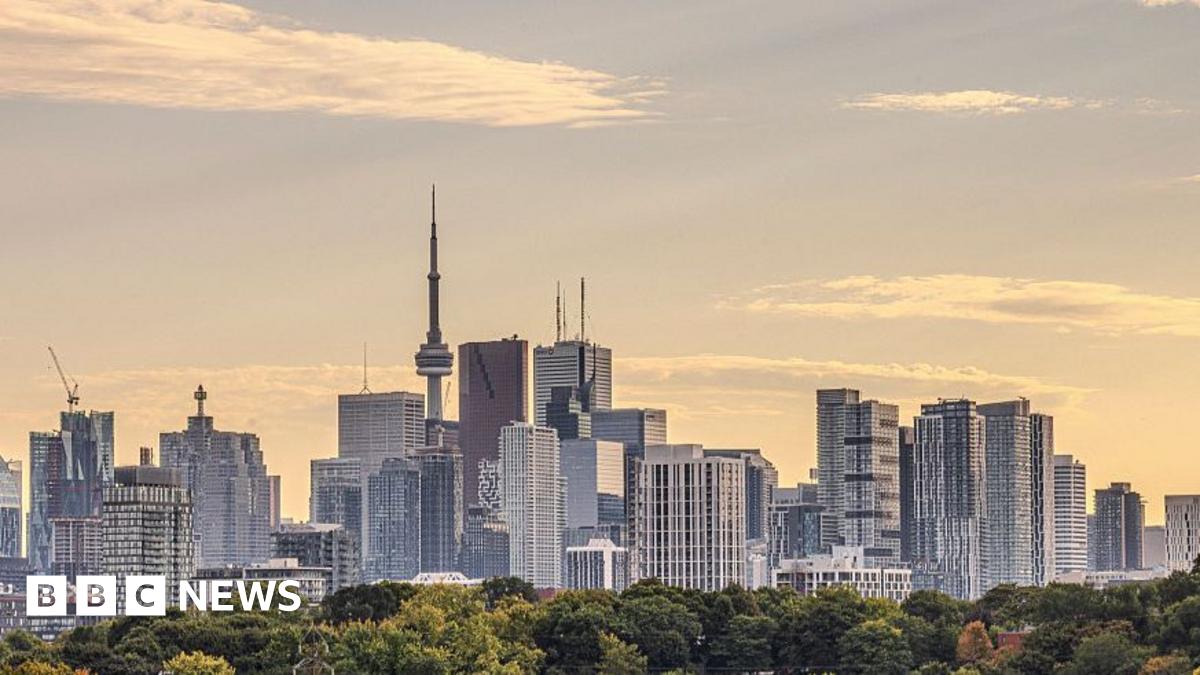
Micro-Condo Market in Toronto and Vancouver Faces Downturn Amid Shifting Demand and Oversupply
Toronto and Vancouver are experiencing a downturn in the micro-condo market for units under 600 square feet, with thousands of these units sitting empty and 18 Toronto projects cancelled in the last year.
In Toronto, small units now represent 38% of condos built, a significant rise from the previous 7.7%.
Some micro-condos that initially sold for around C$500,000 are now reselling for about C$300,000 or less in downtown Toronto.
This oversupply is tied to immigration-driven population growth and policy shifts; however, a Bank of Montreal report from December 2025 notes Canada’s largest population decline on record since the 1940s (excluding 2020), while over 60,000 new units were completed to meet a demand that has since diminished.
Post-pandemic high prices and rising interest rates created financing challenges for investors, with many buyers unable to close deals, selling at losses, or waiting for further price adjustments.
A 2022 freeze on foreign buyers and estimates that foreign buyers make up approximately 2–6% of condo owners have been identified as indicators that Canada's market may be becoming less accessible to some buyers.
Vancouver has experienced a similar but smaller downturn since 2024.
Renters have benefited from this increased supply and improved market conditions. For example, Maggie Hildebrand moved from a C$2,200/month micro-condo to a larger 700-square-foot older building with a backyard for about C$200 more monthly, enhancing her quality of life.
Prime Minister Mark Carney has promised to double the rate of new homes built in the next decade as part of broader efforts to address the housing crisis.
However, with thousands of units on hold or cancelled, fewer new units are expected to enter the market by the decade's end, potentially worsening Canada's housing shortage. Developers may also shift focus from short-term investors to long-term residents as market dynamics evolve.