Migrants' Integral Role in Shaping Britain's Art, Music, and History
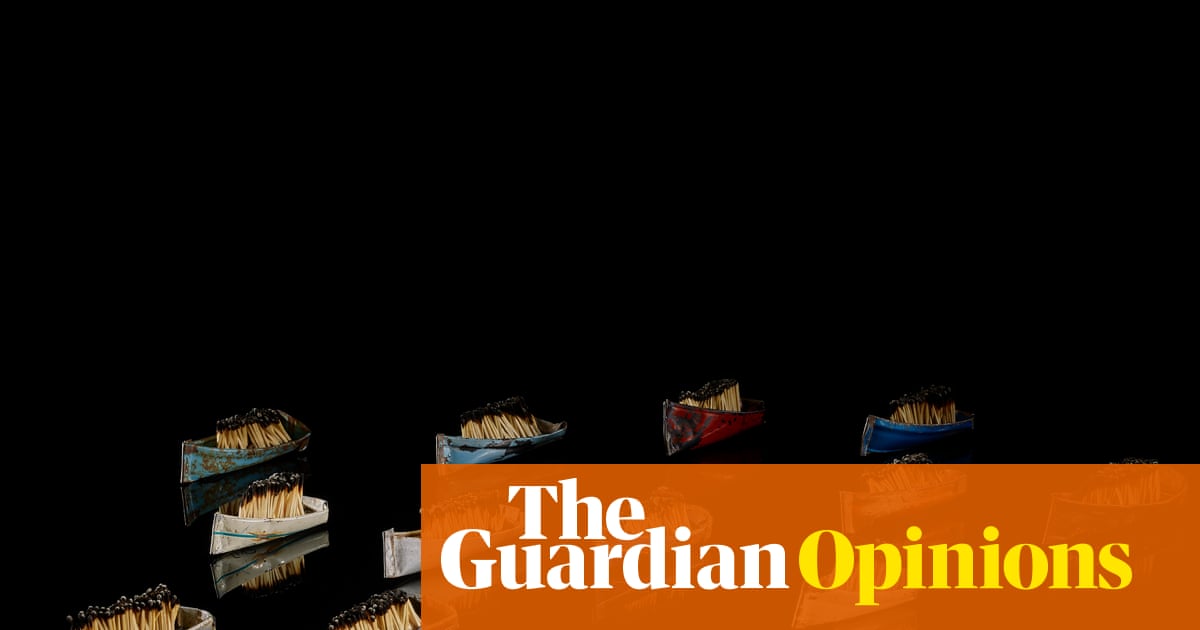
Migrants have played a central role in Britain's art, music, and history, challenging simplistic narratives that often portray newcomers as threats. Issam Kourbaj's work, Dark Water, Burning World, draws on his Syrian heritage and experiences of displacement to create connections between past and present, exhibited in venues across Britain and the United States. This piece critiques media and public narratives that unfairly associate migrants with crime or danger, highlighting how stereotypes and selective imagery shape public perception.
Efforts to amplify migrant voices include a 2019 Cambridge colloquium showcasing migrant art, the songs of Calais camp songwriters, and personal belongings carried by refugees. The concept of "migrant forms" is introduced to describe cultural expressions that are mobile and transformative rather than intrusive, emphasizing the imaginative agency of migrants.
Historical and cultural contributions from migrants are underscored by examples such as the influence of cross-cultural exchanges during the Crusades on Western architecture and the foundational Black American roots of modern Western music. Personal artifacts, like Dragana Jurišić's Bible, illustrate how displacement can preserve cultural memory and foster dialogue with homelands.
Further, the shaping of the Old Testament during the Babylonian exile serves as a powerful example of how migrant experiences have molded significant religious traditions, reinforcing the broad and enduring impact of displacement on cultural and historical development.