Mixed Reactions Over U.S. Operation Capturing Venezuelan President Nicolás Maduro
On January 3, 2026, Venezuelan President Nicolás Maduro and his wife, Celia Flores, were captured and taken into U.S. custody following a surprise overnight operation involving strikes in Venezuela. The operation was announced by former President Donald Trump, who stated that U.S. troops were involved "at a very high level" and did not rule out a sustained military presence. The captured leaders were flown to the USS Iwo Jima to face criminal proceedings led by the U.S. Southern District of New York, where Maduro was indicted on charges including narco-terrorism conspiracy, cocaine importation conspiracy, and possession of illegal weapons. Flores's charges were not disclosed.
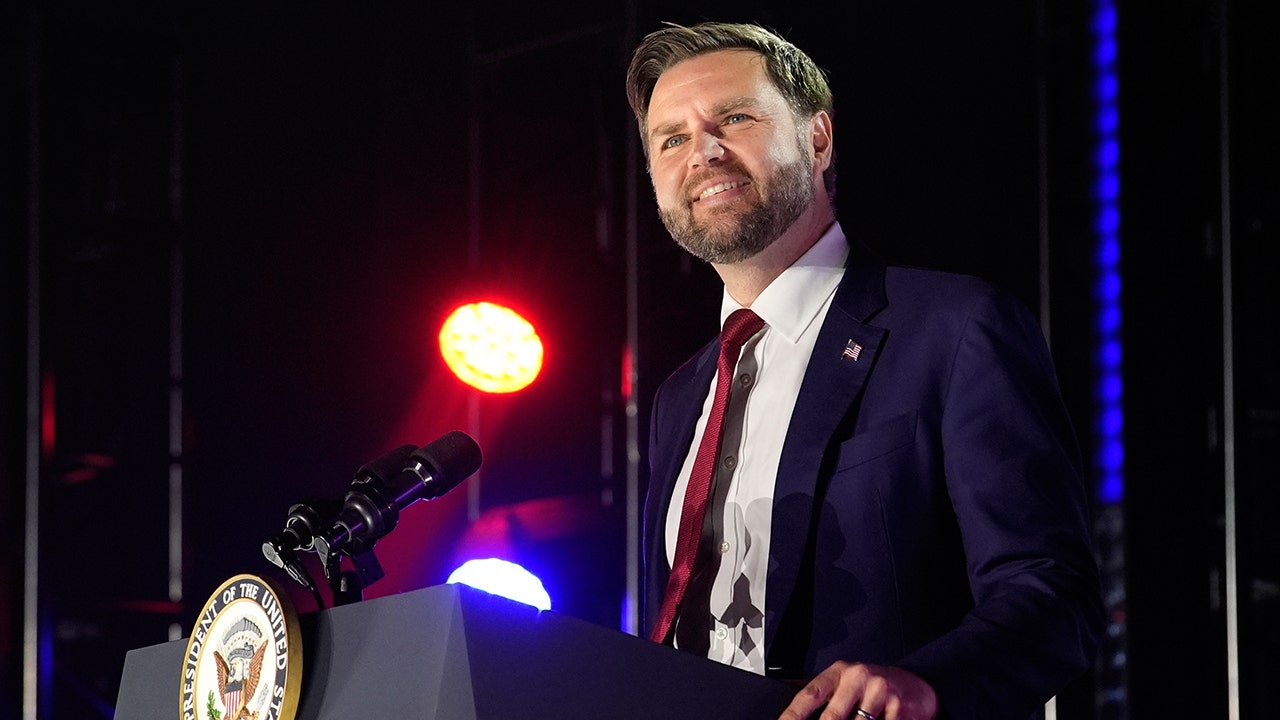
JD Vance, though not physically present at Trump's briefing on the operation due to security and secrecy concerns, was deeply involved in its planning and execution. He met with Trump at Mar-a-Lago to discuss the strikes, which were monitored overnight by the national security team via secure video conference. Due to heightened security concerns, both Trump and Vance have limited their time outside the White House. The successor to Maduro, Delcy Rodríguez, has been sworn in, though engagement with opposition leaders María Corrina Machado and Edmundo Urutia-Gonzalez remains unconfirmed.
The operation has drawn mixed reactions from U.S. politicians. Among Republicans, critics like Rep. Thomas Massie and Rep. Marjorie Taylor Greene questioned the legality and motives of the strikes. Massie noted the indictment did not include fentanyl or stolen oil and raised constitutional concerns. Greene criticized the operation as possibly aiming for regime change or control of Venezuelan oil, while expressing concerns about double standards and referencing the pardon of former Honduran President Juan Orlando Hernández. Conversely, Rep. Don Bacon praised the operation but warned about potential strategic consequences, including setting precedents that could be exploited by Russia. Senate Majority Leader John Thune and House Speaker Mike Johnson expressed support and expect briefings from the administration following the congressional recess.
Democratic lawmakers expressed both praise and strong criticism. Rep. Debbie Wasserman Schultz called the capture "welcome news" that could pave the way for installing the democratically elected president Edmundo González but criticized the administration for bypassing Congress. Several Democrats, including Rep. Yvette Clarke, Sen. Ruben Gallego, Rep. Eugene Vindman, Rep. Eric Swalwell, and Rep. Rashida Tlaib, condemned the operation as illegal or unconstitutional, highlighting violations of U.S. constitutional processes and international law. Rep. Adriano Espaillat urged for immediate, comprehensive congressional briefings before further hostilities. House Minority Leader Hakeem Jeffries and Senate Majority Leader Chuck Schumer described Maduro as illegitimate and cautioned about potential future actions and related costs. Attorney General Pam Bondi confirmed that indictments against Maduro and his wife have been unsealed in the Southern District of New York.