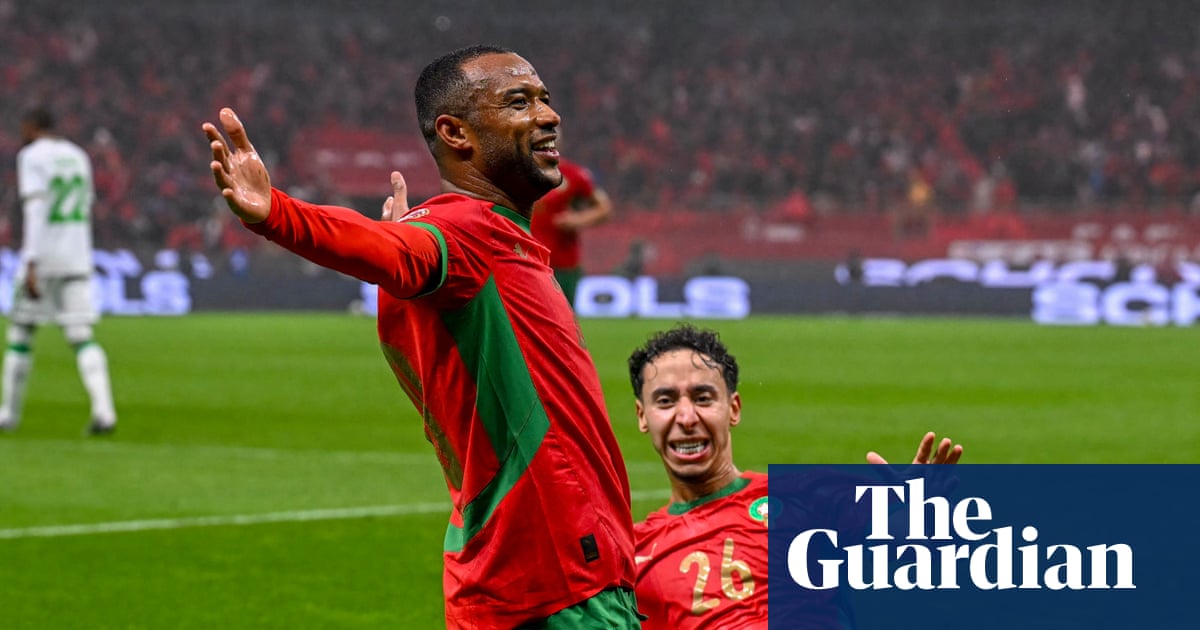
Morocco No Longer Continental Pariah as AFCON Showcases Its Global Standing
Morocco, once sidelined in African football after pulling out of the 2015 Africa Cup of Nations due to Ebola fears and suffering related sanctions, has reemerged as a central figure in the continent's most prestigious football events. The Confederation of African Football (CAF) relocated the 2015 tournament to Equatorial Guinea and initially banned Morocco from the next two Afcons with accompanying fines that were later overturned by the Court of Arbitration for Sport.
Today, Morocco hosts the ongoing 2025 Africa Cup of Nations and has successfully executed the past two Women’s Afcons in 2022 and 2025, with another women’s tournament scheduled for 2026. Moreover, the country is set to co-host the 2030 men’s World Cup with Portugal and Spain, cementing its pivotal role on the global football stage.
This resurgence is underpinned by King Mohammed VI’s policy decisions since 2017, aimed at strengthening Africa-wide ties and aligning Morocco’s sports diplomacy with broader regional engagement. Hosting these major tournaments is framed as a catalyst for urban development, transport infrastructure upgrades, tourism growth, and employment opportunities, though officials emphasize the need for inclusive management that ensures these events translate into lasting public benefits.
For Morocco, these events are not just sports spectacles but a means to demonstrate organizational capacity, reinforce its African identity and global belonging, and boost national pride. Manager Walid Regragui has linked success at the Africa Cup of Nations, with a potential title win on 18 January, to greater prospects for Morocco’s World Cup qualification path.
However, amid the football fervor in late 2025, anti-government protests emerged, accusing the state of prioritizing spending on World Cup stadiums over social services. The government denied these claims, pledging increased investment in health and education sectors, even as human rights groups reported detentions and beatings.
Morocco's role today as a nerve centre for Africa’s marquee football events reflects its evolving national identity and deepening integration into world football, showcasing a country that has moved beyond past controversies to position itself at the heart of African and global sport.