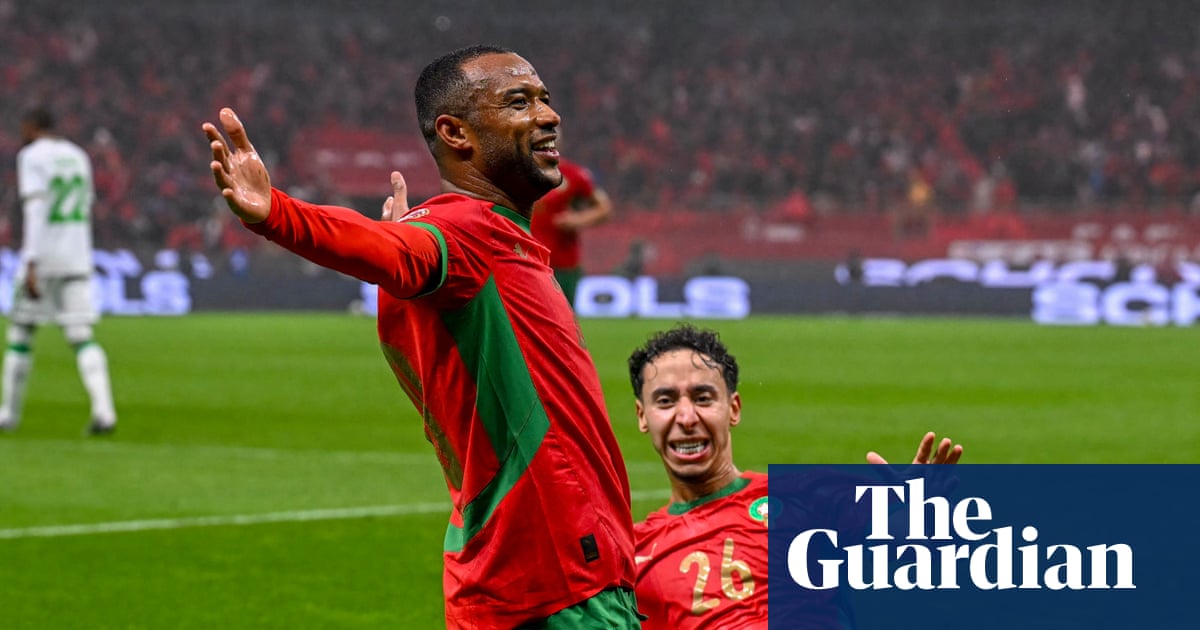
Morocco No Longer Continental Pariah as AFCON Showcases Its Global Standing
In 2015, Morocco withdrew from hosting the Africa Cup of Nations (AFCON) due to Ebola concerns, leading to the tournament being relocated to Equatorial Guinea with less than 90 days' preparation time. As a consequence, Morocco faced a ban from the next two AFCON tournaments and a fine, though the fines were later overturned by the Court of Arbitration for Sport (CAS).
Since then, Morocco has significantly enhanced its profile in African and global football. Currently hosting the ongoing AFCON, Morocco has previously hosted the last two Women's AFCONs in 2022 and 2025. Moreover, it is set to co-host the 2030 men’s World Cup alongside Portugal and Spain. This turn of events reflects Morocco's evolution from a continental pariah to a central player in world football.
This transformation is partly credited to King Mohammed VI’s 2017 policy shift aimed at deepening ties with Africa following the 2015 incident. Hosting major sporting events has acted as a catalyst for improvements in infrastructure, transport, tourism, and employment, though questions remain about the inclusivity of these benefits and the translation of prestige into lasting public policy.
Beyond sports, hosting AFCON has helped Morocco redefine its national identity, highlighting its openness and diverse African heritage—including Amazigh, Saharan, Arabic, and southern European influences. However, domestic tensions persist; protests erupted in late September and October 2025 accusing the government of prioritizing World Cup stadium expenditures over social services. Authorities counter by noting increased spending on healthcare and education, though human rights groups have reported detentions linked to the protests.
On the sporting front, Morocco’s last AFCON victory dates back to 1976. Manager Walid Regragui has emphasized that only winning AFCON, scheduled for 18 January, will confirm his leadership of the team heading into the 2026 World Cup. This aspiration builds on Morocco’s strong performance reaching the semi-finals of the 2022 World Cup.
Morocco’s current hosting duties and upcoming 2030 World Cup co-hosting role underscore its prominent status and capability as a center stage for marquee world football events.
