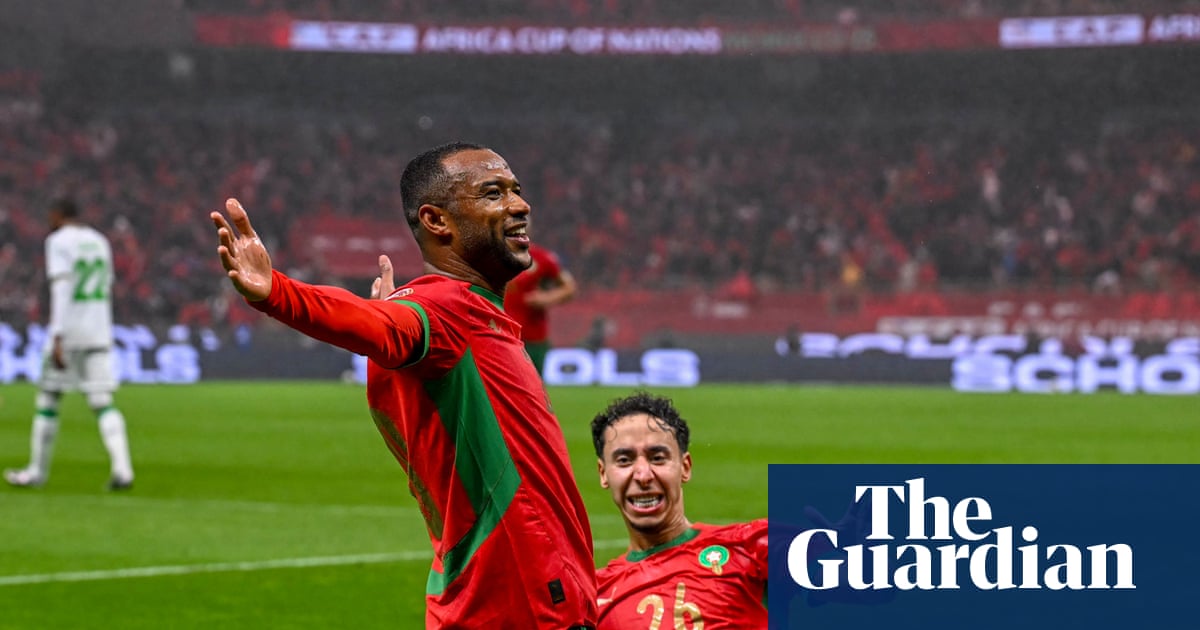
Morocco's Football Renaissance Highlights Africa Cup of Nations and Global Engagement
Morocco has transformed its standing in African and global football following significant challenges a decade ago. In 2015, fears of the Ebola virus outbreak forced Morocco to withdraw from hosting the Africa Cup of Nations (Afcon), leading to the tournament's relocation to Equatorial Guinea. As a result, Morocco faced a ban from the following two Afcon editions and a fine. These penalties were later overturned by the Court of Arbitration for Sport (CAS).
Since then, Morocco has become central to major African football events, hosting the ongoing Afcon as well as the last two Women's Afcons in 2022 and 2024. The nation is also set to host the 2026 Women's Afcon and will co-host the 2030 men's World Cup alongside Spain and Portugal, underscoring its elevated status in world football.
This shift aligns with King Mohammed VI’s 2017 policy to strengthen ties with Africa, linking cultural, economic, and diplomatic engagement across the continent. Analysts view such megasporting events as catalysts for urban development, transportation modernization, tourism growth, and job creation. However, they caution on ensuring these benefits are inclusive and do not exacerbate social inequalities.
Experts emphasize multiple aspects of this transformation. Amine El Amri notes that hosting events reinforces Morocco's national identity, Africanness, openness, and its ability to attract international visitors. Omar Khyari highlights the post-2015 policy realignment towards Africa as a crucial element of Morocco's broader international relations strategy. Abderrahim Bourkia points out that megasport events provide symbolic capital that can be leveraged into economic and political gains, emphasizing the importance of social inclusion and lasting public policy outcomes.
Meanwhile, football coach Walid Regragui has indicated that only securing an Afcon title by January 18 will guarantee his coaching role for the 2026 World Cup. This underscores the tournament's significance for Morocco's qualification and planning.
Despite these advances, Morocco faced antigovernment protests in late 2025, as demonstrators criticized government spending on World Cup stadiums amid concerns over underfunded social services. The government responded with pledges for reform and increased investment in healthcare and education. Human rights groups reported detentions occurring during these demonstrations.