Naan: From Ancient Persia to Global Culinary Icon
Naan is a leavened flatbread popular in South Asia, often paired with butter chicken gravy. Taste Atlas listed butter garlic naan on its 2025 best breads list, with aloo naan also featured.
Although its origins are murky, many historians trace naan to ancient Persia, deriving its name from a Persian word for bread. The naan traveled to the Indian subcontinent with Sultans who ruled between the 13th and 16th centuries and introduced the tandoor clay oven.
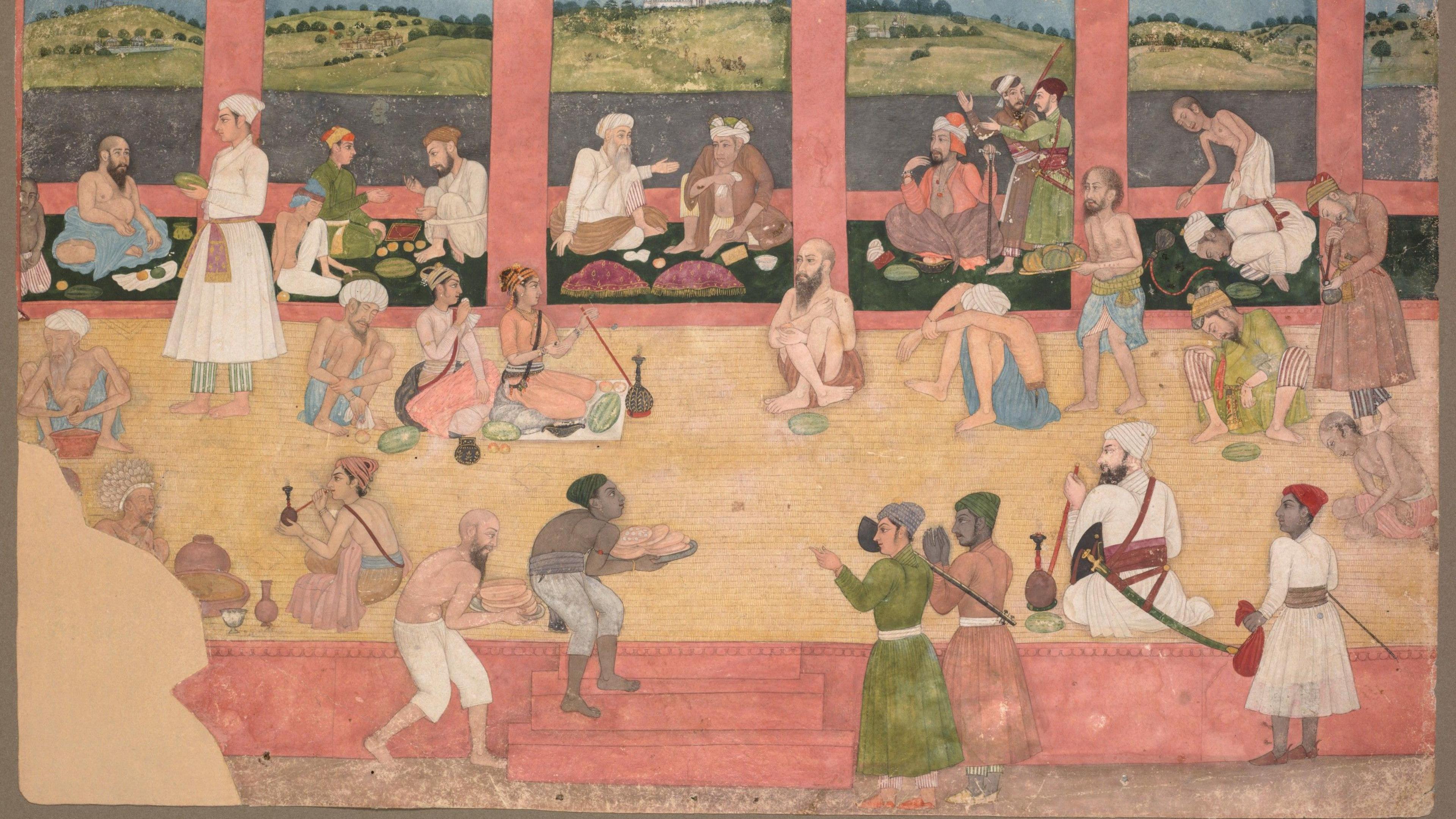
During the Delhi Sultanate and Mughal eras, naan was a luxury prepared by specialised cooks, featuring varieties such as naan-e-tanuk (delicate) and naan-e-tangi (thick, fluffy). It was named after the kitchens in which it was made, like Baqir Khani named for Baqir Najm Saini's kitchen.
Under British rule, naan remained an elite bread but later spread to the West through English travellers and colonial cuisine. From the 1990s to 2000s, fine-dining restaurants in India and abroad began infusing naan with ingredients like spinach, gouda, and mushrooms.
Global variants include Goa pork vindaloo naan and Hong Kong truffle cheese naan, showcasing experimentation. Many historians view naan as India's culinary gift to the world and a symbol of cross-cultural belonging.