Nationwide Gun Law Reform Agreed Following Bondi Beach Massacre
After the devastating Bondi Beach massacre at the Chanukah by the Sea celebration, which killed at least 15 people and wounded more than 40, the national cabinet has agreed to implement tougher gun laws across Australia.
The mass shooting was carried out by Sajid Akram, 50, and his son Naveed Akram, 24. Sajid owned six weapons, four of which were seized at the scene. Sajid was not an Australian citizen; he originally arrived on a student visa in 1998, switched to a partner visa in 2001, and traveled overseas three times on a resident return visa. His son Naveed was an Australian citizen and had been under ASIO surveillance for six months in 2019 due to associations, but authorities found no ongoing threat.
Under the proposed reforms, firearm licences will be restricted to Australian citizens only, with limits on the number of firearms per owner and stricter controls on types of guns and modifications. Open-ended licences will be limited, and a national firearms register will be fast-tracked to be operational by 2028.
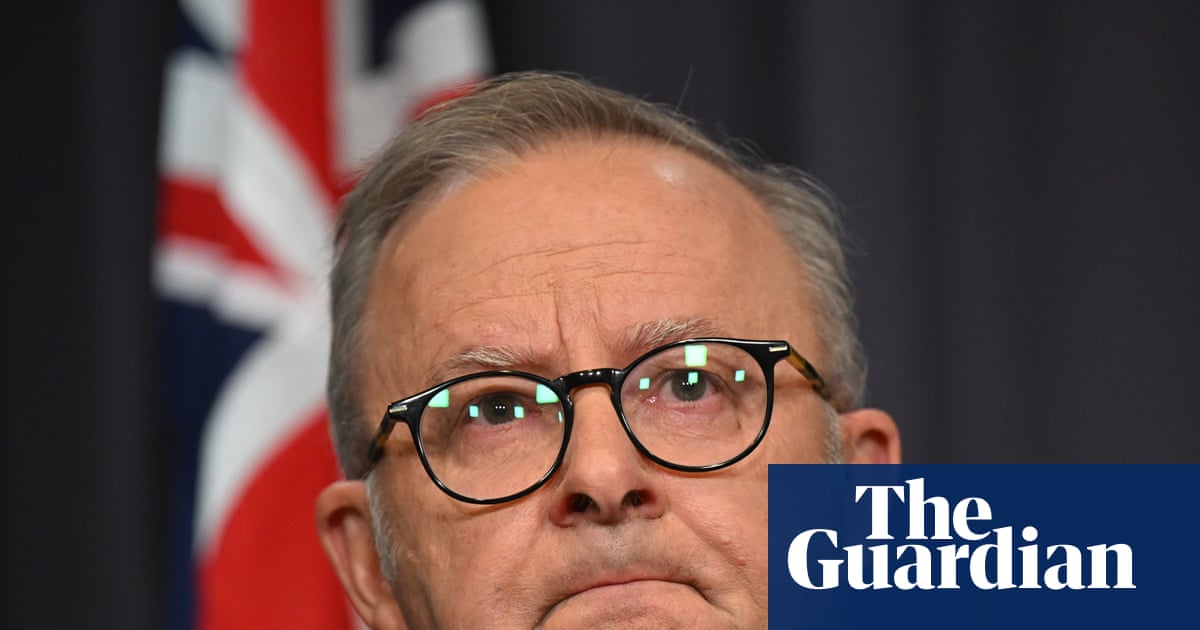
Prime Minister Anthony Albanese condemned the attack as an act of pure evil and vowed to use all resources to eradicate antisemitism. Leaders across parties urged bipartisan cooperation on gun reform measures.
In addition, Holocaust survivor and anti-Semitism envoy Jillian Segal has recommended tougher legislation against antisemitism, enhanced visa screening, cutting funding to institutions that fail to curb hate, and monitoring media narratives, although the government has yet to respond formally to these suggestions.
Opposition members and Jewish leaders have called for stronger actions. NSW police declined to comment on reports linking Naveed Akram to a 2019 counter-terror investigation or on claims that a manifesto or Islamic State-related flag was found in the car.
Premiers and chief ministers have agreed to accelerate the national firearms register's development, with full implementation expected no earlier than 2028.