Nationwide Protests Surge Amid Economic Hardships and Political Unrest in Iran
Protests have spread from Tehran to around 32 cities across Iran, driven by worsening economic conditions and a significant currency crash. The rial has depreciated by more than 50% in six months and over 200% in three years, causing soaring living costs. Additionally, a new tax set to take effect on 21 March has heightened tensions.
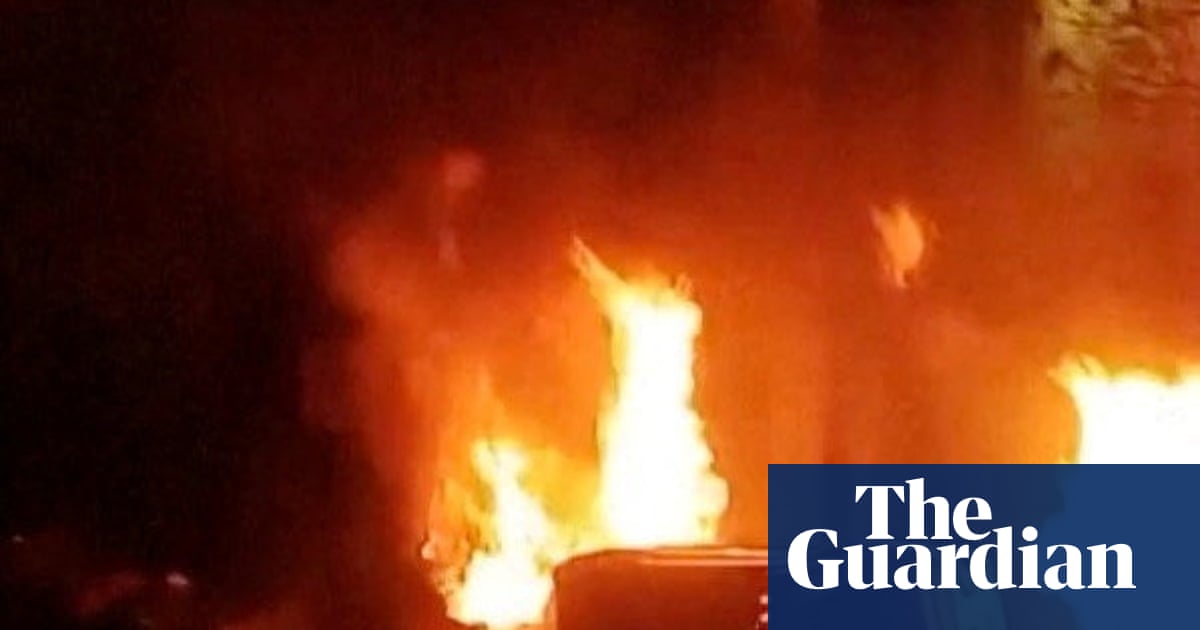
The demonstrations, which include slogans such as "death to the dictator" targeting Ali Khamenei and "woman, life, freedom," have expanded beyond economic grievances to broader political dissent. At least 10 protest-related fatalities have been reported; rights groups say eight were killed by state security forces. Dozens have been injured and at least 119 arrested.
Authorities have responded with crackdowns, including raids on dormitories during New Year's Eve, and many classes have been moved online due to heightened security presence. President Masoud Pezeshkian has attempted diplomatic measures to address the unrest.
The protests are also shaped by recent external pressures, including a 12-day war with Israel in June that resulted in over 1,000 deaths, contributing to the regime’s vulnerability. U.S. President Donald Trump has publicly threatened attacks and intervention, with some protesters accusing Iran of foreign backing; these threats influence the narrative within the country.
Among the protesters is Mehnaz, a 19-year-old computer science student from Tehran, who joined the movement after a long wait and recalls earlier restrictions following Mahsa Amini’s death. Despite fears of reprisals, many feel hopeless about their future under the current regime.