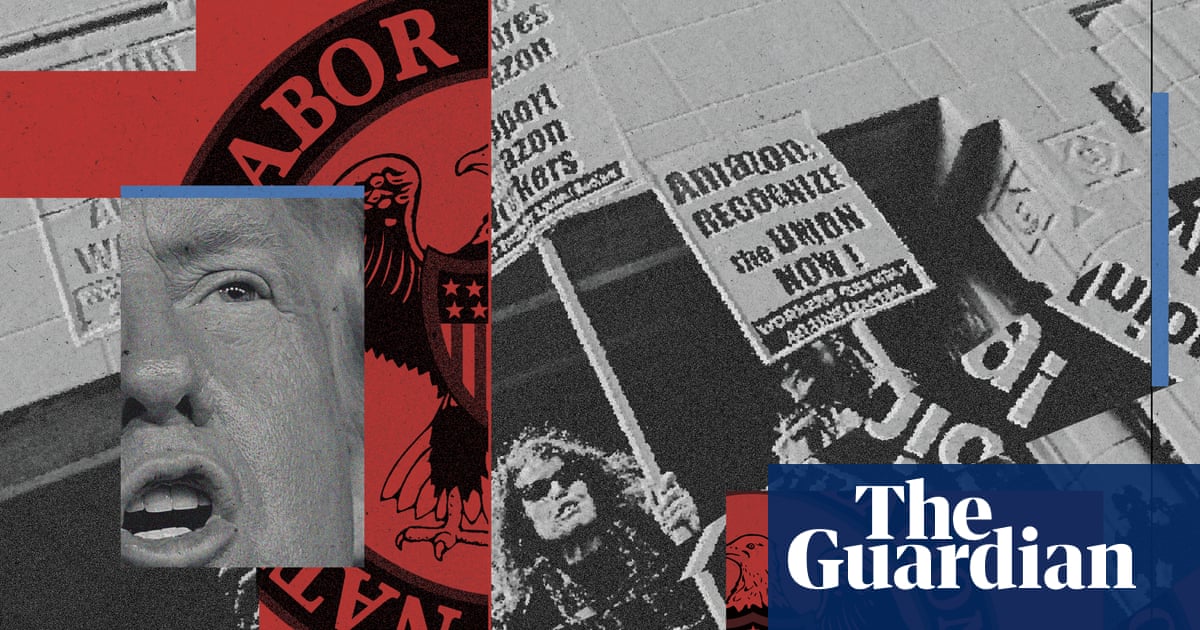
NLRB Paralysis Hampers Union Activities Amid Trump Administration
The National Labor Relations Board (NLRB) has become effectively paralyzed after former President Trump fired board member Gwynne Wilcox, leaving the five-seat agency without a quorum needed to issue rulings. This has led to a significant backlog of cases and delays in union-related decisions, including unresolved outcomes of union elections.
Notably, the Whole Foods Center City Philadelphia store voted to form a union, marking the first union in the chain's 530 US stores. However, the result remains unresolved as management appeals and the NLRB’s incapacitated status halts any rulings.
Trump returned to the White House roughly a week before the Whole Foods ballot result was announced, with insiders describing the NLRB as crippled under his administration. The agency's output has deteriorated sharply, issuing about 150 decisions in 2024 but only six in the last 11 months. This drop reflects not only the quorum issue but also staffing cuts of approximately 100 employees and a proposed 2026 budget cut of $14 million, including the elimination of a goal to enhance public awareness about labor rights.
Two Trump-appointed candidates, Scott Mayer and James Murphy, were nominated in July with the hope of restoring the quorum pending Senate approval. Yet, a Fifth Circuit ruling in August related to SpaceX has suggested that the NLRB could be constitutionally blocked from enforcement, further stalling cases.
In response to federal paralysis, states like New York and California have passed laws allowing state labor agencies to oversee private-sector union elections and unfair labor practice (ULP) charges. However, the NLRB has challenged these state measures, complicating efforts to protect worker rights.
Officials justify policy rollbacks and staffing cuts as driven by resource constraints, while critics warn these moves harm worker rights and undermine the board’s independence.