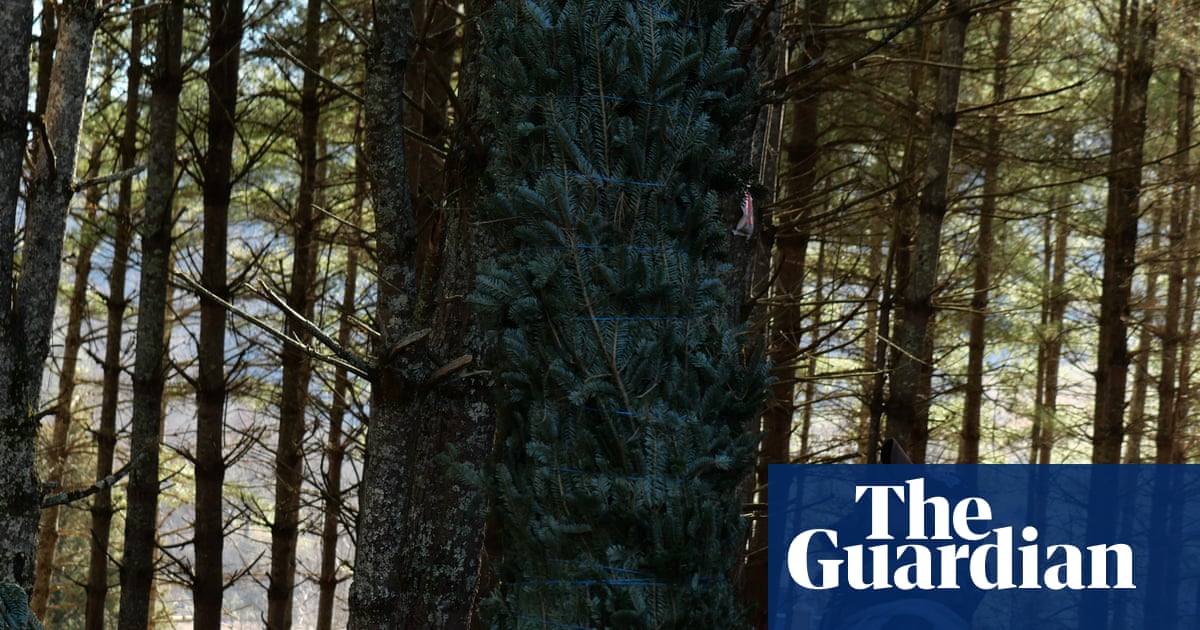
North Carolina's Christmas Tree Industry Relies Heavily on Immigrant Labor Under H-2A Visa Program
North Carolina accounts for nearly one-quarter of US Christmas tree production, with the Fraser fir as the dominant variety. Western North Carolina hosts about 940 growers, making Christmas tree farming the region's number one agricultural crop. In 2022, over three million trees were sold, generating more than $144 million in revenue.
The state's Christmas tree industry relies heavily on Mexican temporary workers under the H-2A visa program, with peak harvest seasons involving around 4,000 H-2A laborers in North Carolina. The Beutell family’s Wolf Creek Tree Farm in Cullowhee has participated in the H-2A program since its inception and considers immigrant labor essential to its operation.
However, new U.S. Department of Labor wage guidelines threaten to reduce worker pay by about $5 to $7 per hour, potentially saving employers roughly $2.5 billion annually. H-2A workers typically endure long hours, often about 12 hours daily during peak season, and live in employer-provided housing. They rely on employers for transportation and meals and face health risks from pesticide exposure and physical strain.
In addition to physical challenges, mental health issues and isolation are common among these workers. Non-governmental organizations have stepped in to provide support, such as internet hotspots to help workers keep in contact with their families.
Personal accounts from workers reveal strong ties to their work and concerns about policy changes. Some long-time workers fear immigration crackdowns and consider alternatives such as moving to Canada. Others worry that wage cuts could reduce the available labor pool, potentially threatening the regional economy.