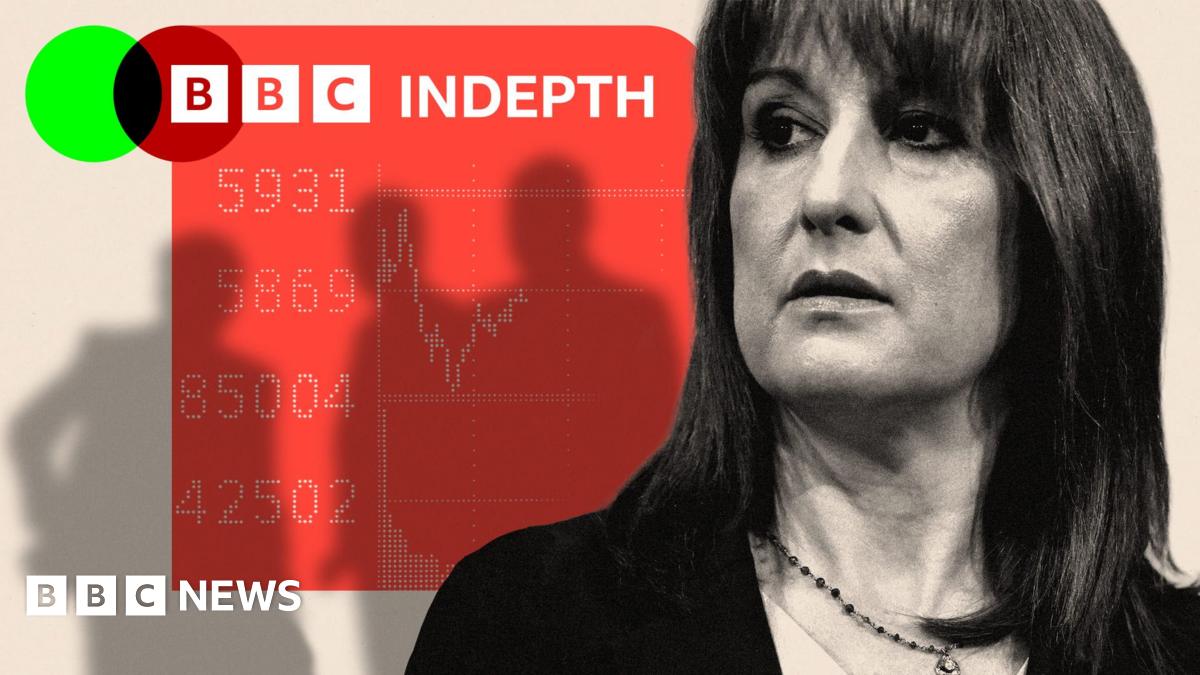
Office for Budget Responsibility Gains New Powers Amid Budgeting Reforms
The Office for Budget Responsibility (OBR), a small department within the Ministry of Justice building, wields significant influence by publishing forecasted spending plans and evaluating the cost of government policies twice annually alongside the Budget and Spring Statement.
In 2024, Labour passed a law granting the OBR enhanced powers to initiate forecasts without government requests, scrutinize departmental spending assumptions, and access Treasury data. This reform was prompted by the Conservatives’ September 2022 mini-Budget.
OBR chair Richard Hughes emphasized that its powers, derived from Parliament, are confined to producing forecasts, assessing policy costs, and judging if the chancellor is on course to meet fiscal rules. The chancellor retains the authority to modify rules or policies.
Labour argued that empowering the OBR would enhance the credibility of UK tax and spending policy, especially following the Truss-Kwarteng mini-Budget episode. However, critics have expressed concerns that the OBR is unelected and unaccountable and warned it could foster a 'fiscal technocracy' where political decisions are constrained by technocratic criteria.
In October, the OBR downgraded productivity by 0.3 percentage points. The Institute for Fiscal Studies noted that each 0.1 percentage point downgrade roughly adds £7 billion to borrowing in 2029-30, suggesting about £21 billion could be added due to the 0.3 percentage point reduction.
Beginning with this Budget, the OBR will calculate fiscal headroom only once annually, reducing cycles of tax-rise speculation. The International Monetary Fund has argued that raising headroom can prevent a doom-loop of rising tax rhetoric negatively affecting confidence.
Even without the OBR, UK debt markets and foreign investors would continue to constrain Budget decisions and influence policy outcomes.
The OBR was established during the 2010 coalition and set on a permanent statutory basis in March 2011. Its Budget Responsibility Committee includes Richard Hughes, Tom Josephs, and David Miles; Hughes and Josephs are former Treasury officials, and Miles is a former Bank of England Monetary Policy Committee member.