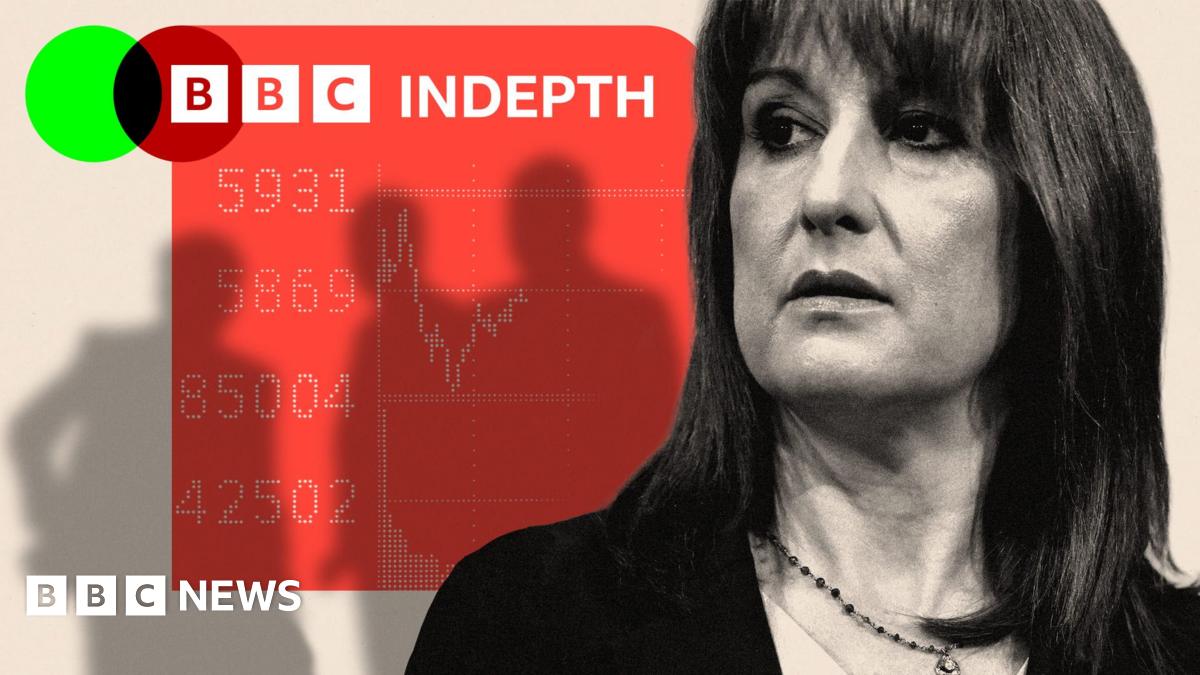
Office for Budget Responsibility’s Expanded Role and Impact on UK Fiscal Policy
The Office for Budget Responsibility (OBR) is a small, largely secretive unit within the Ministry of Justice that analyzes the Budget, monitors spending plans, and publishes economy and public-finances forecasts twice yearly alongside the Budget and the Spring Statement.
In 2024, Labour legislation granted the OBR new powers to initiate forecasts without government requests, to question departmental spending assumptions, and to access Treasury data. This expansion came in response to the 2022 mini-Budget.
Chancellor Rachel Reeves strengthened the OBR's independence by ensuring that the three Budget Responsibility Committee members—led by Richard Hughes with Tom Josephs and David Miles—are appointed with the consent of the Treasury Select Committee.
Critics argue that the OBR is an unelected body wielding excessive influence, but supporters note that its powers are limited to those granted by Parliament and that the Chancellor retains the ability to set policy and fiscal rules.
In October, the OBR trimmed productivity forecasts by 0.3 percentage points. According to the Institute for Fiscal Studies (IFS), each 0.1-point downgrade increases borrowing by about £7 billion for 2029-30, meaning this revision could widen the borrowing gap by approximately £21 billion.
The markets have historically respected the OBR. The 2022 mini-Budget crisis, however, highlighted credibility concerns, with Bank of England Governor Andrew Bailey and the IMF emphasizing the importance of maintaining credible forecasts and fiscal headroom.
Starting with this Budget, headroom calculations will be made only once annually to reduce tax-rise speculation cycles. This change is part of broader efforts to maintain market credibility while pursuing policies aimed at economic growth.