Offshore Bookmakers Exploit UK Self-Exclusion Scheme, Undermining Gambling Controls
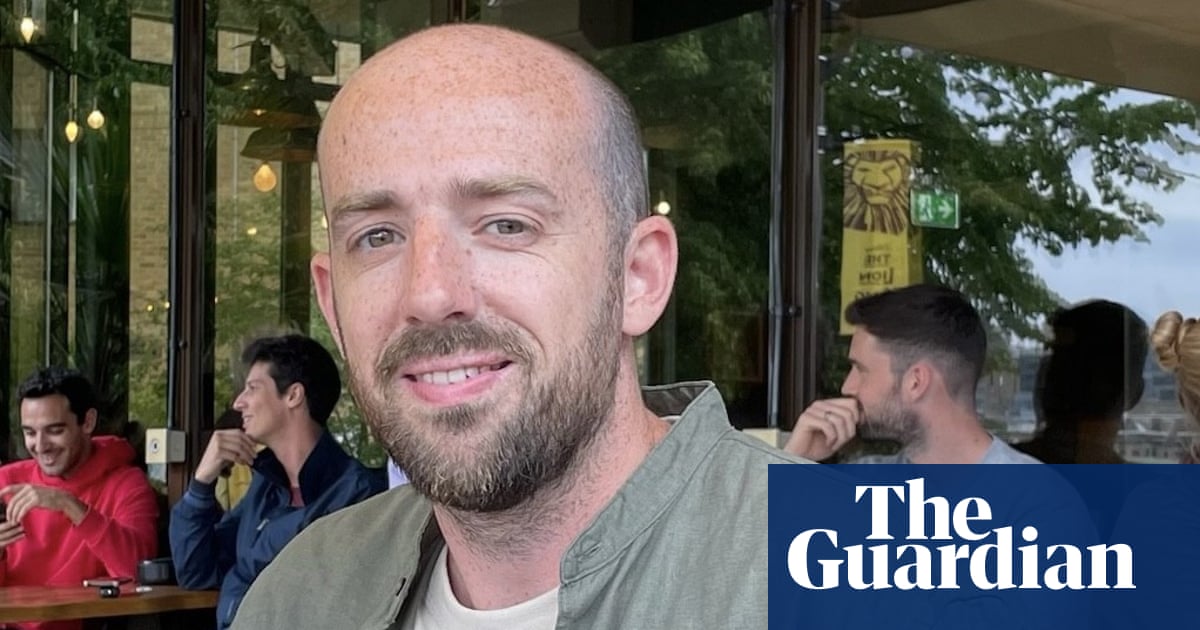
Ollie Long, a 36-year-old who began gambling through football betting, tragically died by suicide. An inquest is planned for January 2026, with his family facing a second Christmas without him. Long's early gambling success included a win of around £15,000, but his losses mounted; by June 2017 he had deposited £3,000 with Bet365 and later borrowed over £22,000 from his parents to repay debt. In 2022, he attempted to control his addiction by using Gamban to block betting sites and registering for GamStop, the UK self-exclusion scheme. He also worked for a charity helping others with gambling problems.
Despite self-exclusion efforts, illicit offshore betting operators are exploiting loopholes by directing customers like Long to non-UK-licensed sites, commonly licensed in Curaçao or Cyprus. Prominent operators in this category include Donbet, MyStake, Velobet, and Goldenbet. The "Not on GamStop" trend, fueled by searches specifically seeking sites outside the UK's self-exclusion framework, has led to a surge in illegal gambling. Yield Sec estimates that 84% of illegal UK gambling content comes from "Not on GamStop" sites, with illicit market revenues rising sharply from £122 million in 2022 to £583 million in 2024.
Bank records reveal 55 transactions in Long's final month, totaling approximately £5,000, sent to obscure entities such as Wintermads/WinterMDSE. Financial activity traced to operators linked to Donbet and Santeda also appears. The regulatory response has involved a £26 million funding allocation over three years for the Gambling Commission. In the fourth quarter of 2025, there were 214 website removals and 180 UK site blocks. Google is currently reviewing search results related to "Not on GamStop" sites. However, critics argue that enforcement measures focusing solely on self-exclusion schemes are insufficient to curb the expanding illicit online gambling market.