Ofgem Approves £28bn Grid Upgrade Amid Concerns Over Rising Energy Bills
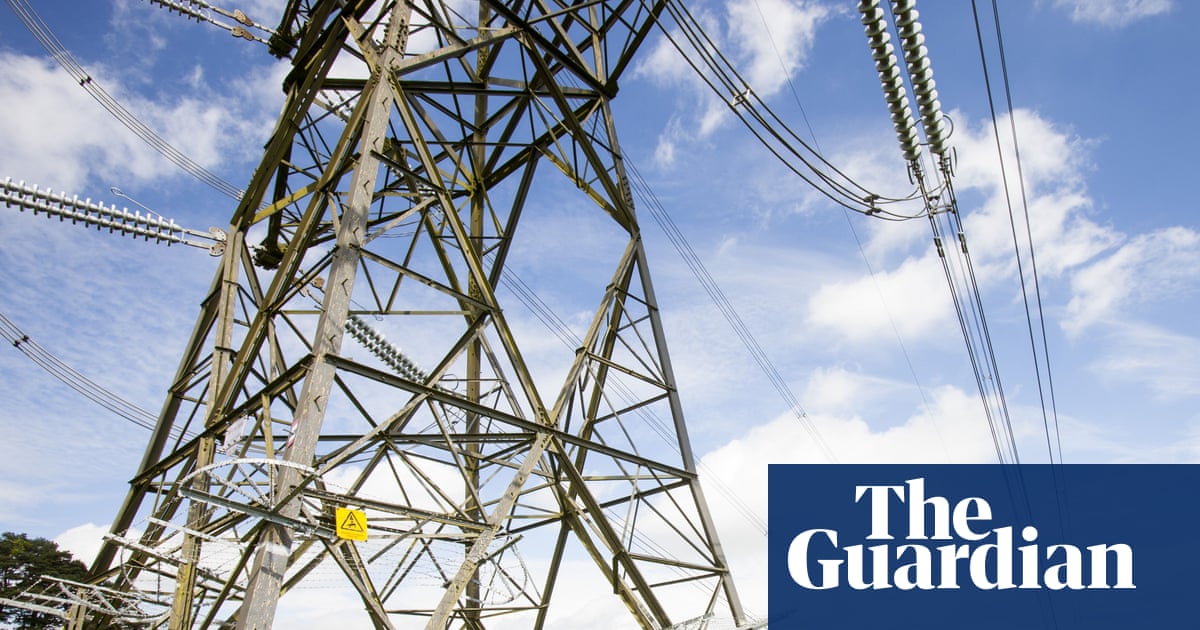
Ofgem has approved a £28bn investment package to upgrade Britain's gas and electricity grids over five years starting in April 2026. The plan includes over 80 projects covering new high-voltage cables and upgrades to overhead wires, with £17.8bn dedicated to gas transmission and distribution improvements and £10.3bn aimed at rewiring the high-voltage electricity network. This marks the biggest grid expansion since the 1960s.
Funding for the upgrades will be raised through levies on household energy bills. Network charges are expected to rise by about £108 annually by 2031, reaching around £330 a year, with potential backloading increasing the total to approximately £338. The net effect on average consumer bills is projected to be roughly £30 higher per year by 2031 compared to a scenario without the grid expansion.
This investment represents the first tranche of a broader 'investment pipeline' that could amount to around £90bn if additional approvals are granted over the next five years. Ofgem has already trimmed over £4.5bn from the initial £33bn proposal. Chief Executive Jonathan Brearley emphasized that consumer protections are included in the funding package, with provisions to claw back unused funds.
Industry stakeholders such as National Grid and SSE have welcomed the investment, citing benefits for energy security and reduced system bottlenecks. Conversely, environmental groups including Greenpeace and the End Fuel Poverty Coalition have urged for value-for-money considerations and consumer safeguards.
The government, through the Department for Energy Security and Net Zero (DESNZ), highlights the necessity of these upgrades. It also aims to reduce energy bills by about £150 starting next year by ending the Energy Company Obligation (ECO) and lowering renewables obligation costs, with savings expected to be passed on to households. The chancellor has cited approximately £154 in energy bill savings from these measures.
Meanwhile, Ofgem's price cap for energy is set to rise by 0.2% in the three months to March, adding roughly £3 to a typical dual-fuel bill, bringing it to around £1,758. The shadow energy secretary criticized the price rise, arguing that higher bills are being imposed on consumers to fund the grid expansion necessary to connect wind farms to the network.