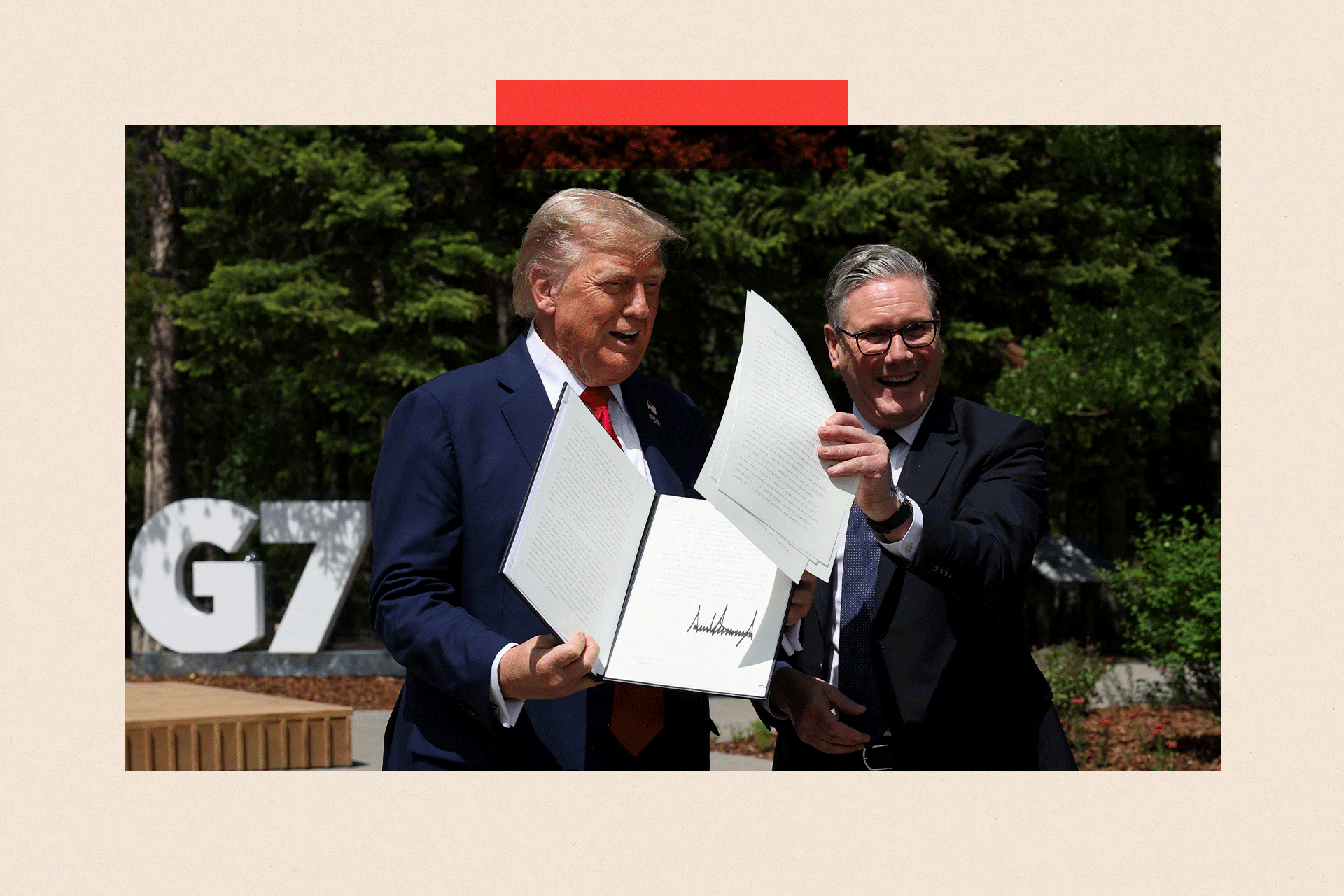
Overview of US Tariffs and Global Trade Impact in 2019
In April 2019, former President Donald Trump announced sweeping import tariffs, which were subsequently paused amid global financial instability. By late July, only about a dozen trade deals had been announced. The US government asserts that these tariffs and trade agreements will generate revenue, revive domestic manufacturing, and attract hundreds of billions in foreign investment and purchases, although the long-term outcomes remain uncertain.
A global shift away from free trade is underway as countries reassess alliances and pursue new trade links, including the evolving UK-EU relationship and potential ties with India. The tariff structure shows a baseline rate of 10% on most UK goods, with higher rates such as 15% applied to partners like the EU and Japan. Some agreements include conditions or penalties.
Concerns of a full tariff shock have diminished, yet tariffs continue to raise prices in the US and may reduce global demand for goods. Economic impacts vary: Germany could experience over a half-percentage-point drop in growth due to 15% tariffs on autos, while India may be less affected given its smaller share of US demand. Conversely, countries like Vietnam and the Philippines could benefit as alternative suppliers.
Tariffs have generated over $100 billion in US revenue during the year, accounting for approximately 5% of federal revenue. The projected total tariff revenue for the year is around $300 billion, compared to roughly $2.5 trillion in federal income taxes. Politically, discussions include potential rebate checks for lower-income Americans to offset tariff-induced costs; however, this would require congressional approval and poses risks for Republicans ahead of upcoming elections.
Many trade deals remain non-final or disputed with ongoing issues involving Canada, Taiwan, China, and an extension with Mexico. Details are sparse, and attached conditions, such as increased US energy purchases, remain unclear. The longer-term implications depend on agreement specifics and how trading patterns realign. Whether the US can revive production and jobs remains uncertain as partners may seek alternatives outside the US-led trading framework.