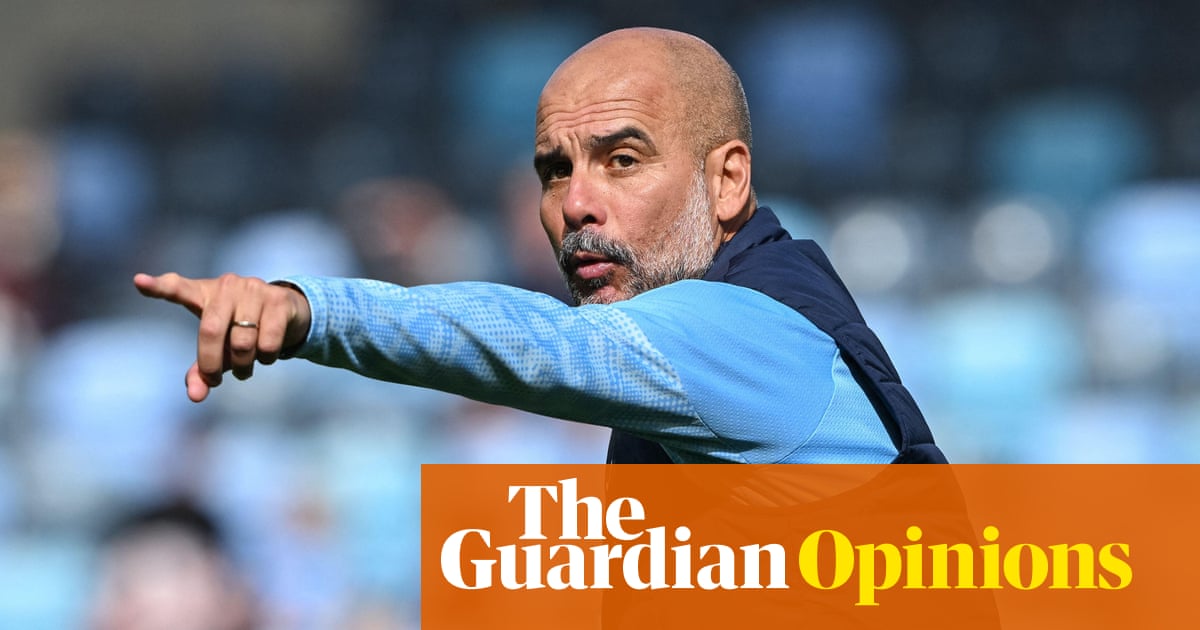
Pep Guardiola and the Tactical Evolution in Premier League Set Pieces
Pep Guardiola has notably stepped back from the Barcelona-era guardiolismo, signaling a significant shift in tactical thinking and marking the end of a monolithic approach to football tactics. This change coincides with a broader evolution in set-piece strategies across the Premier League, heavily influenced by coaches such as Nicolas Jover, Austin MacPhee, and Bernardo Cueva.
Set pieces now account for 21.8% of goals this season, a noticeable increase from 13.9% last season. This rise is partly attributed to referees adopting a more tolerant stance toward challenges on goalkeepers and physical contact during the build-up to goals, thereby affecting the unfolding of these set plays.
The current tactical evolution is best described as a reinvention of old methods within new circumstances rather than a simple cyclical return to previous strategies. Defenders are increasingly valued for their multifaceted skills, combining on-ball ability with aerial power. Although the proportion of goals from set pieces has declined by 5.2% since the end of October, this suggests an ongoing refinement and adaptation in the effectiveness of set-piece tactics.
Guardiola's approach is also shaped by calendar-driven constraints which encourage the use of smaller squads and bespoke tactical planning. Data analytics and the potential integration of artificial intelligence appear to be driving this adaptive process, which is likely to lead to further tactical shifts in the future.
Additionally, Leeds United's halftime tactical switch to a front-two formation under Daniel Farke stands out as an example of current experimentation. This change has correlated with Dominic Calvert-Lewin's improved scoring form, underscoring the ongoing and dynamic nature of tactical innovation in the football landscape.