Pig Organ Transplants Could One Day Be Superior to Human Ones, Says Expert
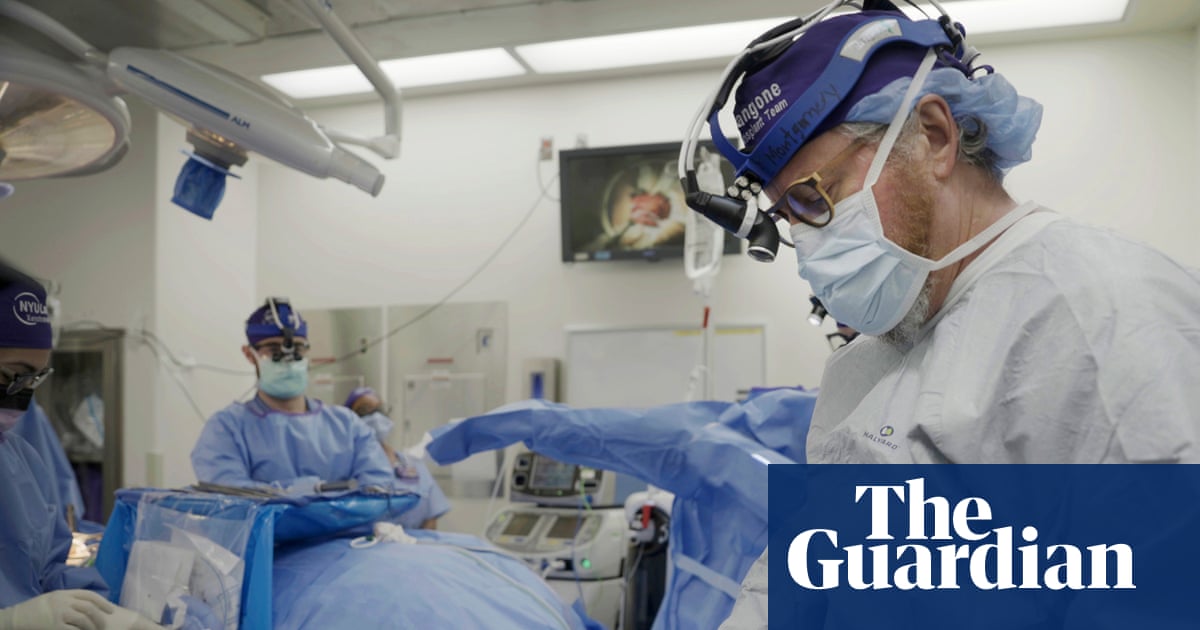
Dr Robert Montgomery, director of NYU Langone’s Transplant Institute, is leading a pioneering xenotransplantation trial that has seen the first pig-kidney transplant completed, with another expected in January. Initially, six patients were enrolled, and if the FDA approves, the trial will expand to include 44 further transplants.
The pig kidneys used are gene-edited in 10 key locations to reduce the chance of rejection by the human immune system. This approach aims to address the critical shortage of organs for transplantation; UK NHS data reveals that over 12,000 people have died or been removed from waiting lists in the past decade before receiving an organ.
Montgomery has a history of innovation in human-organ supply, including developing domino-paired kidney transplants and utilizing hepatitis C–positive donor organs to increase availability. In 2021, the world’s first gene-edited pig-to-human organ transplant was performed by transplanting a pig kidney into a brain-dead recipient, providing important safety data for future living-donor cases.
Current research indicates that adding a pig thymus alongside kidneys may enhance immune tolerance and potentially reduce dependence on anti-rejection medications. There are already two living recipients of pig kidneys. While lung xenotransplantation remains more challenging and liver transplantation is still uncertain, Montgomery has expressed willingness to consider a pig-heart transplant if a patient is healthy enough.