Poland's Attempt to Align with EU Crypto Regulations Fails Amid Presidential Veto
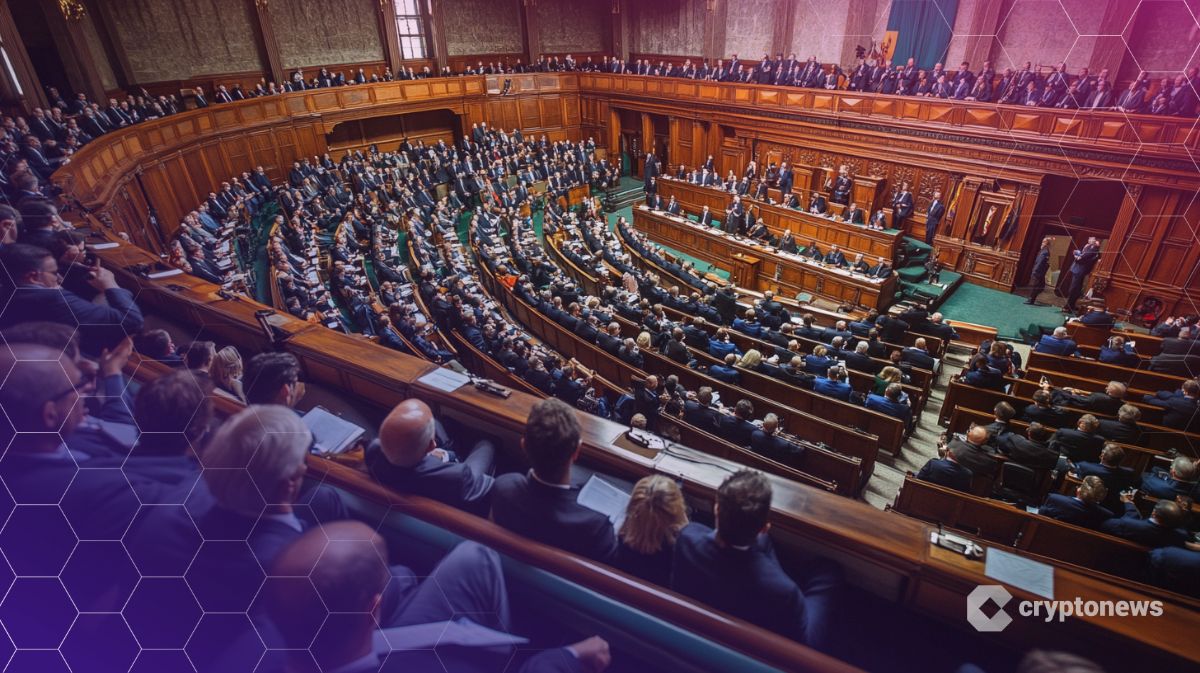
Poland's efforts to implement MiCA-style cryptocurrency regulations have faltered after the country's lawmakers failed to override President Karol Nawrocki's veto. The lower house vote did not meet the required three-fifths threshold, leaving Poland as the last EU member without a national MiCA-style regime.
This delay impacts Poland's regulatory alignment ahead of the EU's MiCA deadline set for July 1, 2026. Prime Minister Donald Tusk presented the proposed bill as a national security measure amid concerns over money laundering and foreign interference, citing several hundred foreign entities operating in Poland's crypto market with alleged links to Russia and Belarus.
The vetoed legislation would have mandated licensing for crypto-asset service providers, set investor protection standards, imposed stablecoin reserve requirements, banned market abuse, established anti-money laundering controls, and granted authorities the power to block crypto websites by administrative orders.
President Nawrocki criticized the bill for being excessively long—spanning over 100 pages—and warned that heavy supervisory fees and strict domestic restrictions might encourage Polish crypto firms to register in other EU countries, potentially diminishing Poland's tax revenue and talent pool. His chief of staff, Zbigniew Bogucki, stated that while the president supports regulation, it should not be overly restrictive, reflecting ongoing political tensions with Tusk's pro-European coalition.
This dispute has heightened industry involvement and regulatory scrutiny, with both regulators and lawmakers cautious about potential regulatory overreach as Poland continues to negotiate its position within the EU's MiCA framework.