Political Unrest and Shifting Governance in Africa Amid 2025 Elections and Coups
In October 2025, Tanzania's election incited deadly protests after allegations of rigged voting. Police shot demonstrators while opposition candidates were either imprisoned or barred from contesting. President Samia Suluhu Hassan secured 98% of the votes, signaling a reversal from prior moves toward open democracy.
Governance indicators from the Mo Ibrahim Foundation highlight stagnation in progress since the early 2010s, with an increase in coups, military takeovers, and shrinking democratic spaces, worsened by rising living costs.
Elsewhere, Malawi saw a peaceful power transfer as Peter Mutharika regained the presidency after years in opposition, and Seychelles experienced a change of government with United Seychelles returning to power, influenced partly by inflation.
In South Africa, the African National Congress lost its overall majority for the first time since 1994, leading to a power-sharing arrangement with the main opposition. Senegal witnessed protests and legal challenges that blocked the sitting president's attempt to extend his term, resulting in the election of a relatively unknown candidate.
In West Africa's Sahel region, Mali, Niger, and Burkina Faso formed a new alliance outside the Economic Community of West African States (ECOWAS) following coups. This situation contributed to the total of eight African countries under military rule by late 2025.
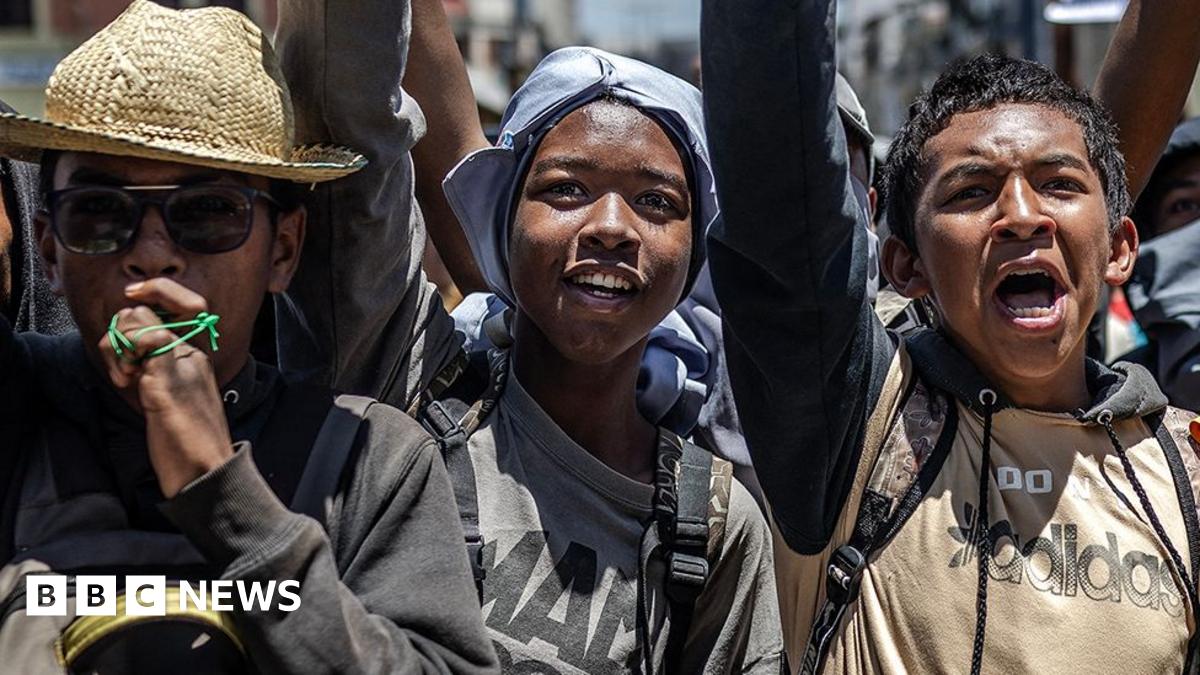
Madagascar underwent a coup in October 2025 that ousted President Andry Rajoelina. The cabinet was dissolved amid protests and interim president Michael Randrianirina was installed.
Africa's youth, empowered by social media platforms, have been central in driving protests and demanding improved services. Movements in Cameroon and other countries reflect a younger generation challenging entrenched leadership and exposing a "broken social contract."
Geopolitically, a retreat of Western democratic conditionality has granted African governments more autonomy, with China and Russia increasingly filling the influence gap left by waning Western involvement. Uganda is scheduled for elections in January amid ongoing concerns of electoral irregularities and violence.