Post-Assad Ouster Spurs Syrian Return Plans Amid Ongoing Challenges
Following the ouster of Assad in December 2024, over 500,000 Syrians have left Turkey, where the Syrian population had peaked at about 3.5 million.
Many Syrians in Gaziantep are considering returning to Syria, drawn by a sense of home despite widespread destruction and significant hardships such as shortages of electricity, water, and jobs.
Returnees have varied plans: some expect to return within 1–2 years, others aim for longer-term stays or a staged return, and families express concern about potential chaos if many return simultaneously.
Actual return is complicated by the realities in Syria, including extensive destruction and responsibilities such as caring for elderly relatives and securing basic survival needs.
In Turkey, Syrians under temporary protection face mobility and work restrictions; recent reforms ending free medical care from January and increasing hiring costs for Syrians add pressure to leave.
Turkish President Erdogan has stated that no Syrian will be forced to leave, but policy shifts may occur ahead of the 2028 elections, potentially affecting protections.
Border area dynamics reveal some Syrians holding Turkish citizenship planning returns, whereas those without citizenship encounter greater obstacles in entry and residence.
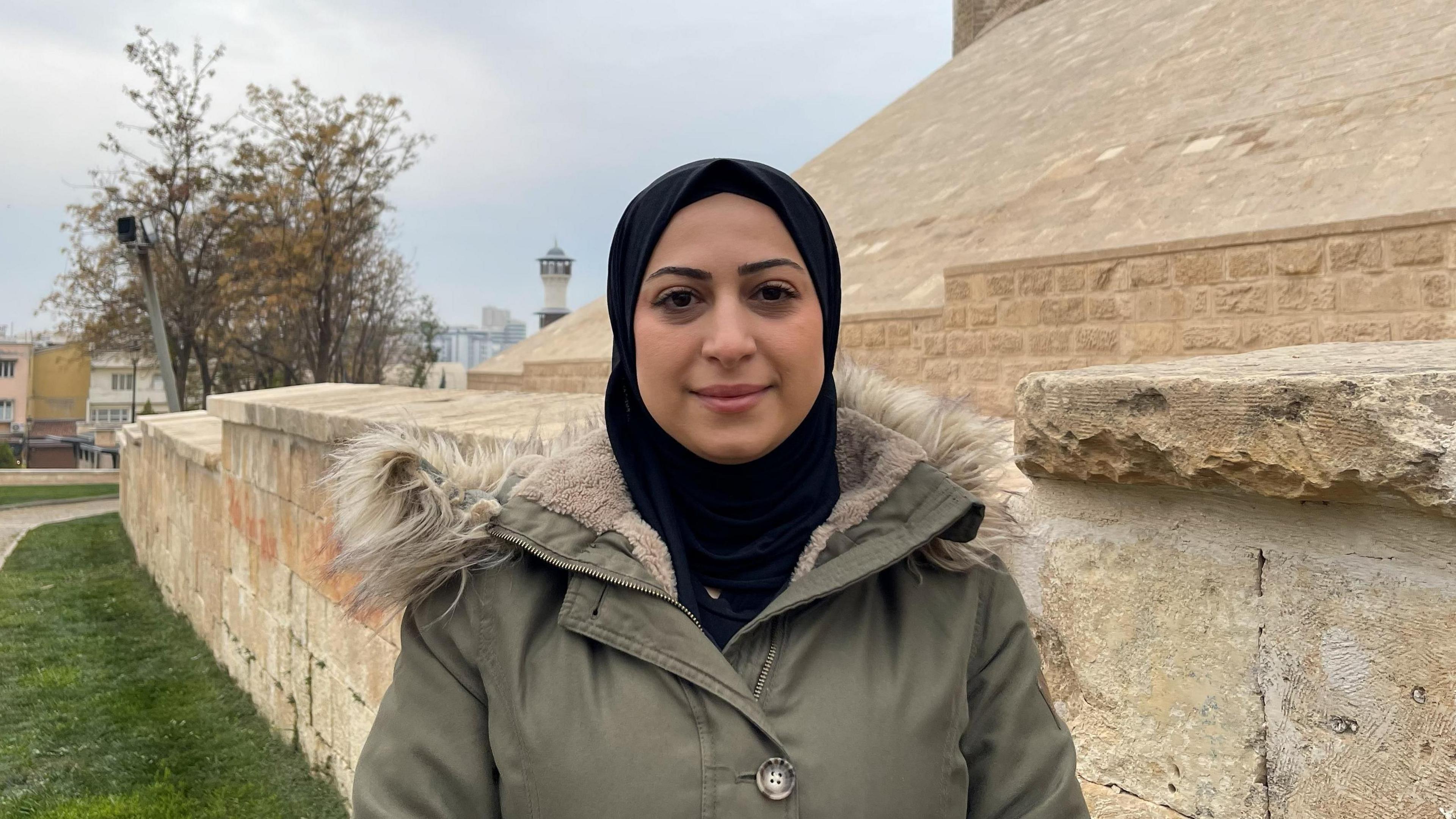
Individual stories highlight this spectrum: Ahmed, 18, aims to return within 1–2 years; Aya Mustafa, 32, wishes to return but notes many challenges; a family operating an aid NGO plans to remain in Turkey for now.
Syria's interim government, led by Ahmed Al Sharaa, a former senior Al Qaeda figure, faces concerns about security and reconstruction—especially in cities like Aleppo—posing further considerations for returning residents.