Progressive Coalition Frames Climate Policy as Economic Populism Amid Affordability Crisis
A coalition of progressive politicians and advocates is reshaping the discourse around climate policy by framing emissions reductions as a form of economic populism tied directly to rising costs and affordability challenges faced by the public.
Climate-driven expenses now permeate utility bills, healthcare, rents, insurance, and disaster repairs. Concurrently, public transit funding has been cut, and landlords increasingly pass environmental compliance costs onto tenants. To address these issues, the concept of green economic populism has emerged, encompassing policies like free bus services, climate-resilient schools, social housing, and green retrofits to existing buildings.
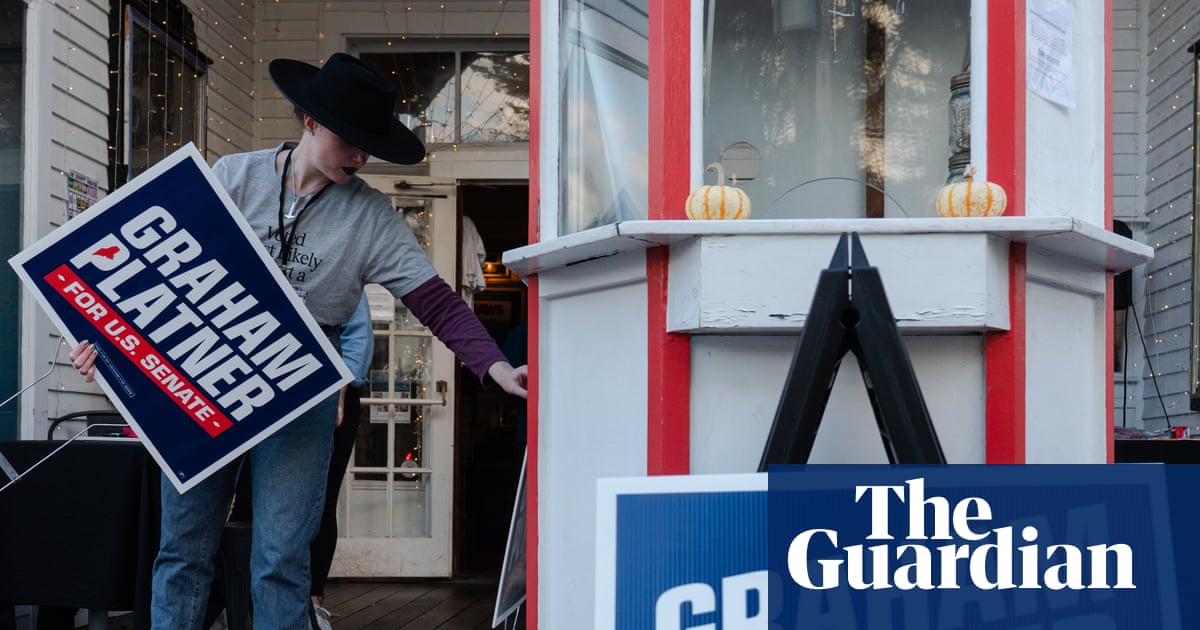
Notable proponents include Zohran Mamdani in New York City, who advocates for affordability-first climate policies, and Seattle's mayor-elect Katie Wilson, who plans to implement social housing and green retrofits. On the state level, figures such as Graham Platner in Maine link anti-polluter measures to water protections, while Dan Osborn in Nebraska supports right-to-repair legislation. Additionally, Democrats in New Jersey and Virginia are campaigning on platforms focused on lowering utility costs.
Labor and tenant unions endorse decarbonization efforts in tandem with improved wages and tenant protections, championing unionized clean-energy jobs, eviction protections, and public or consumer-owned energy models. Examples include New York's 2023 policy to establish a unionized state utility, Maine's consumer-owned utility initiative, and Baltimore's public utility takeover.
Climate accountability is further advanced through climate superfund laws passed in Vermont and New York, with similar measures anticipated for votes soon in Maine and New York.
Despite the Inflation Reduction Act creating jobs, advocacy groups criticize it for largely benefiting private companies and wealthier households, with 2024 polling indicating limited direct benefits for the general public. Meanwhile, the Trump administration has framed climate policies as a scam and failed to deliver relief on energy or inflation costs.
Advocates emphasize the need to focus messaging on addressing economic hardship while achieving emissions reductions, aiming to align environmental goals with the immediate financial concerns of the public.
