Protests in Iran Amid Economic Crisis and Heightened Regional Tensions
Protests have erupted across dozens of Iranian cities, including a significant demonstration in Tehran on December 29, 2025. Rights groups report that 5 to 8 people have been killed, over 30 injured, and more than 100 arrested in connection with these protests. The unrest is fueled by economic grievances, highlighted by the Iranian rial reaching record lows and an inflation rate of 42.2% in December.
The Iranian government faces a harsh crackdown amid this dissent, with rights groups noting that between 1,500 and 2,000 executions have taken place since the June war amid ongoing repression. Iranian officials, including President Masoud Pezeshkian, characterized the situation as a 'total war' with the United States, Israel, and Europe, asserting that the military has grown stronger since the June conflict.
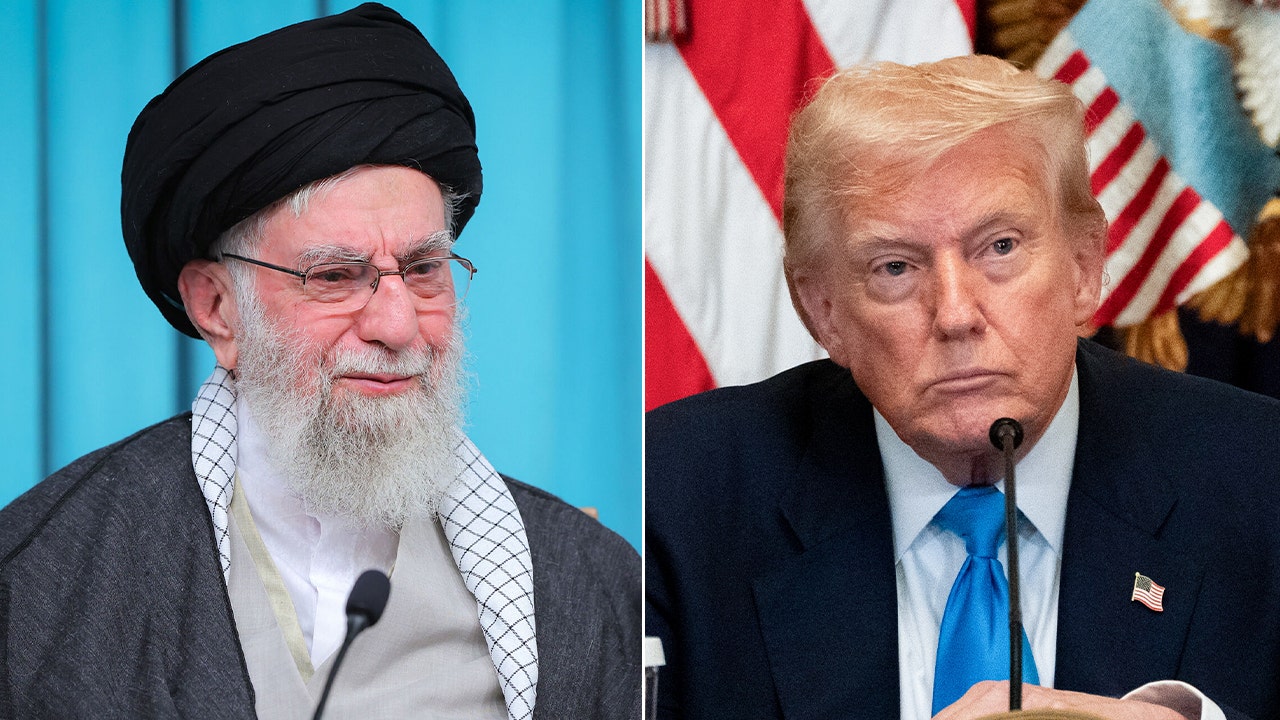
U.S. involvement remains a point of tension. Former President Trump warned of potential U.S. intervention should protesters be violently suppressed, indicating readiness to strike Iran's nuclear sites. Despite no official changes in U.S. posture and forces remaining on heightened alert since the June war, analysts suggest there are options short of direct military action. These include expanding internet access for protesters, securing information flows, and blinding Iranian security forces.
Iranian officials warn that U.S. interference would destabilize the region. Ali Larijani stated it would threaten American interests, while Mohammad Bagher Ghalibaf declared that American bases and forces would become legitimate targets. Meanwhile, Israel has not announced new strikes but views any rebuilding of Iran's nuclear or ballistic capabilities as a red line. Reports indicate that Prime Minister Netanyahu discussed possible second strikes with Trump.