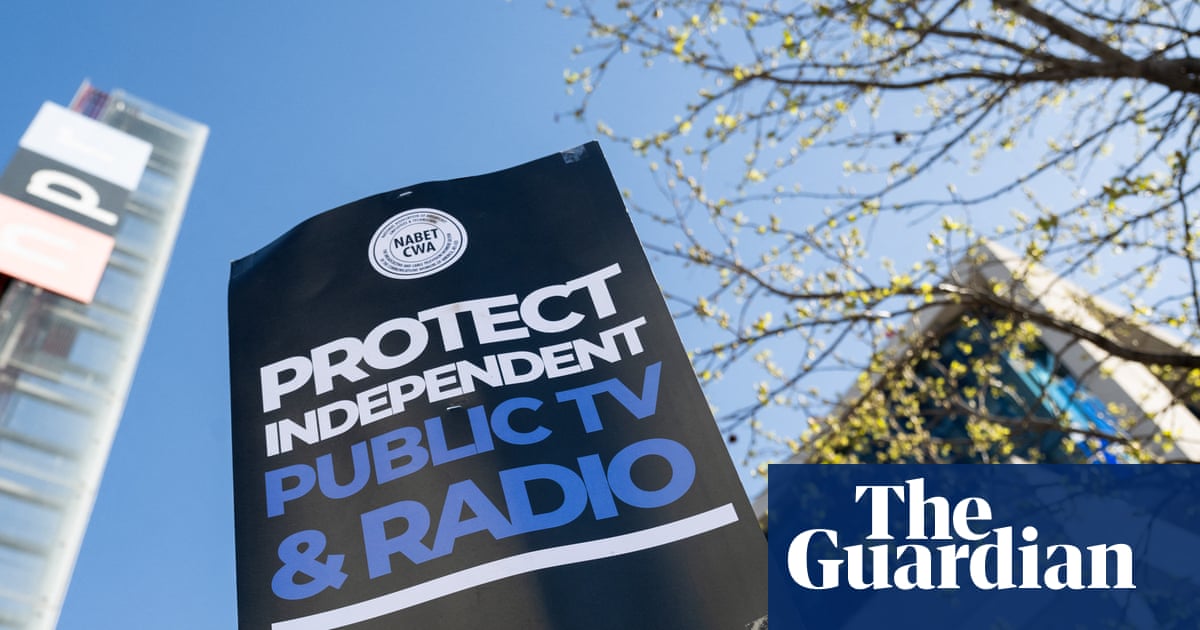
Public Media Faces Funding Crisis After Federal Cuts with Surge in Donations
In July 2025, U.S. federal funding for public media was cut, eliminating more than $535 million in support for over 1,500 outlets. This significant reversal left many stations struggling financially. For example, WYSO in Yellow Springs, Ohio, faced a $600,000 funding hole, prompting an emergency fundraising drive and raising concerns among staff.
Nationwide, donations surged as a response to the funding cuts. Approximately 120,000 new donors contributed roughly $20 million, with total donations increasing by about $70 million year over year. This phenomenon has been termed "rage-giving," with online giving becoming a primary growth channel for new donors.
A Current study of 50 public media groups showed a 61% growth in donors from August 2024 to August 2025, and donors aged 45 or younger nearly doubled to 24%. Foundations also contributed significantly; in August alone, they donated $36.5 million to aid at-risk stations. Of this, $26.5 million went to the Public Media Bridge Fund, which aims to raise $100 million.
Despite these relief efforts, the funding cuts have not been fully replaced. Stations are making difficult decisions to stay afloat; for instance, Prairie Public in North Dakota cut 12 positions, and KYUK in Alaska cut six. NPR has offered $8 million to assist stations with licensing costs.
Political responses have been mixed. There is partial bipartisan support and opposition. Notably, Republican Congressman Mike Turner voted against the Rescissions Act of 2025 that ended CPB funding, illustrating the varied congressional stances on the issue.