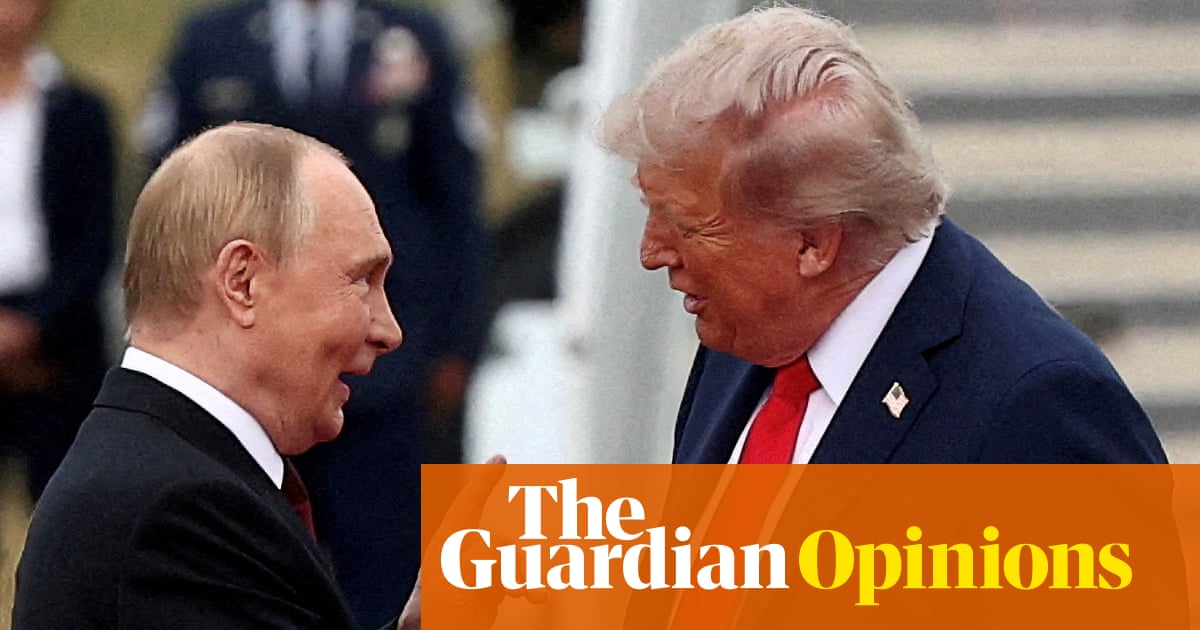
Putin and Trump: Ambitions, Europe, and the Future of the Liberal Order
Putin's war on Ukraine is framed as an effort to reclaim lost status, seeking to be feared rather than loved by the global community. Similarly, Donald Trump's approach towards Europe reflects a bid to disrupt the liberal international order to gain respect. Under Trump's strategy, Europe risks becoming more nationalist and culturally "white."
The post-World War II US-led order, built on soft power, democracy, and the rule of law, is claimed by Trump's administration to be upheld while simultaneously being undermined. Europe stands as the embodiment of liberal values and the strongest remaining barrier against Maga ideology. However, the Trump administration aims to dismantle this order, replacing it with power-based nationalism.
Trump's strategy involves intervening in Europe by supporting far-right parties and punishing critics. It also entails weakening the extensive military, diplomatic, intelligence, and foreign aid structures that sustain US global influence. Despite these efforts, the US is unlikely to reshape Europe on a large scale. More plausibly, it will act as a spoiler and retreat from its role in guaranteeing NATO, applying selective pressures against the EU through means such as visa restrictions and debates over platform regulation.
The example of Bolsonaro's Brazil is cited as a cautionary tale, showing that punishing allies or attempting to manipulate local politics can backfire and harm the intended objectives.
Overall, both Putin and Trump crave status and respect, with Europe remaining the central target and testing ground for their ambitions. The liberal international order faces significant challenges amid these dynamics.