Queensland Halts Plan to End Shooting of Flying Foxes, Allows Continued Lethal Control
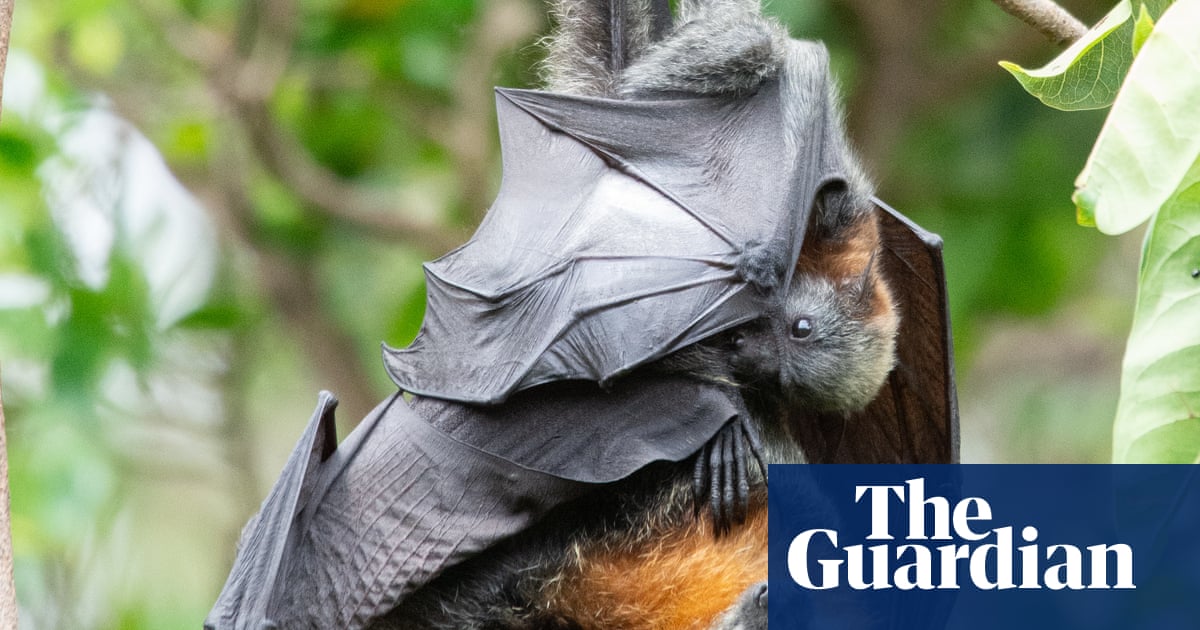
Queensland has reversed its plan to end the shooting of flying foxes starting July 2026, permitting farmers to continue lethal control under existing permits with a statewide quota. The annual quota has been set at 1,630 flying foxes, including 130 grey-headed, 700 black, and 800 little red flying foxes.
Previously, the state government intended to phase out shooting of flying foxes by 1 July 2026, shifting to non-lethal crop protection methods such as exclusion netting. However, the ministry revoked the shooting ban in December 2025, a move that critics say was made without proper consultation with conservationists or environmental groups.
Lethal take permits remain available for crop protection when other management options have been exhausted. Such permits require applicants to have held a permit since at least 1 September 2012 and to have attempted at least two non-lethal methods beforehand. Over the past decade, more than 20,000 flying foxes have been shot under the program according to Queensland government data provided to ABC.
The Australasian Bat Society opposes the shooting practice, citing that it is ineffective in reducing crop damage and often leads to slow and inhumane deaths. They also highlight the risk of species misidentification during night shootings. Advocates for non-lethal methods stress that exclusion netting is effective and call for government investment to assist remaining farms in installing netting to protect crops without killing bats.
Critics argue that the government's reversal disregards conservation group input and undermines progress toward humane, non-lethal crop protection alternatives.