Rebranded Plantations: How Empire Shaped Luxury Caribbean Tourism
A report by Common Wealth thinktank traces the historical wealth extraction from the empire to today’s Caribbean tourism economy, focusing on Barbados from 1640 to 1807 when approximately 387,000 enslaved West Africans were transported there.
At the Codrington Plantation on Barbados in the mid-18th century, 43% of enslaved individuals died within three years, with a life expectancy at birth of just 29 years. During the 18th century, enslaved labor produced roughly 80% of export value across the Americas; about two-thirds of the wealth from sugar was funneled to Britain through merchants, insurers like Lloyd’s, and refineries.
Today, Barbados and other Caribbean islands host a rebranded plantation economy that focuses on leisure tourism. Despite the region’s hospitality industry, most hotels, cruise lines, airlines, and booking platforms are not locally owned. Around 80% of Caribbean tourist spending leaks overseas as profits are repatriated.
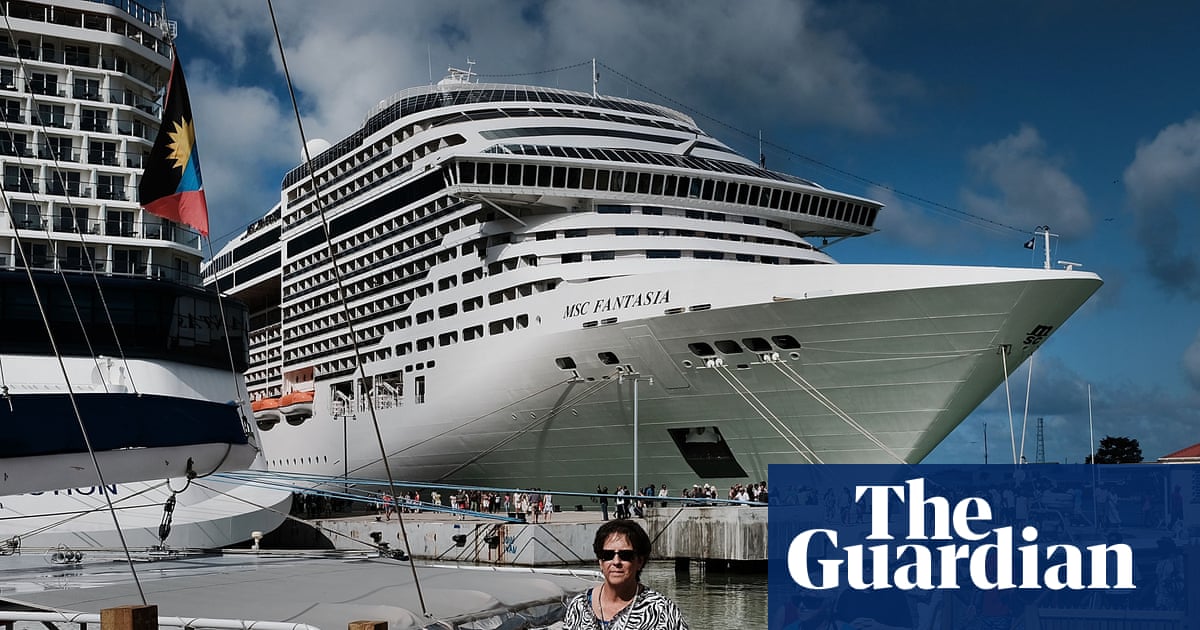
Tourism governance favors hoteliers and cruise companies, offering tax breaks and very low port charges. Many shore interactions with tourists are through approved vendors or on private beaches controlled by cruise lines. Cruise ships contribute significant environmental waste daily, including 21,000 gallons of sewage, one tonne of rubbish, 170,000 gallons of wastewater, and 6,400 gallons of oily bilge-water, while hotels consume substantial water and energy.
Despite accounting for only about 0.3% of historic global emissions, the Caribbean is highly vulnerable to climate hazards. Between 2000 and 2023, climate events caused more than $200 billion in damage. Caribbean countries face debt-service payments that rival the sums needed for climate adaptation and resilience. For example, Jamaica saved approximately $500 million through debt relief, yet Hurricane Melissa caused over $8 billion in damages.
Historically, abolition and independence did not result in wealth transfers; in 1837, slave-owners were compensated with about 40% of the UK Treasury’s annual income, while formerly enslaved Black workers were denied land. To address these deep-rooted issues, reparations and a less extractive tourism model, such as community-owned ventures, are proposed, including initiatives like the Caribbean Green Book.