Recent Developments in UK Labour Party: Leadership, Brexit Stance, and Scottish Strategy
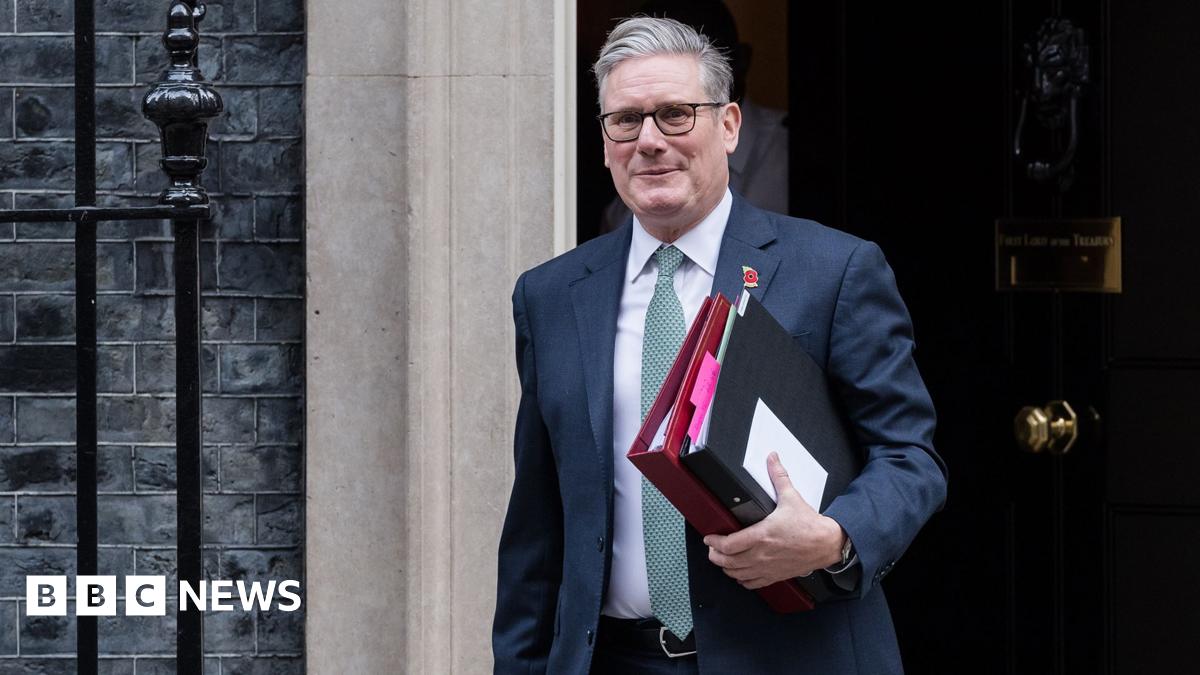
Anonymous briefings to journalists alleged that Keir Starmer would resist any leadership challenge and claimed cabinet ministers, including Wes Streeting, were plotting against him. Starmer maintained loyalty to the prime minister, calling for those behind the briefings to be dismissed, while the prime minister condemned attacks on ministers as unacceptable. Questions arose about whether the prime minister authorized or was aware of these briefings and whether a leak inquiry or sackings would follow at No 10. The prime minister and Health Secretary Wes Streeting spoke by phone to reconcile; Starmer apologized and agreed to further talks. Morgan McSweeney, the prime minister's chief of staff, was a focal point of criticism but offered no comment. Some briefings allowed Streeting to distance himself by describing Downing Street as toxic and sexist and echoed calls for those responsible to be sacked. Notably, No 10 highlighted Streeting's composed participation in pre-arranged Wednesday morning interviews under pressure.
Regarding Brexit, Starmer’s position has evolved since 2018, when he called for a second referendum including the option to remain in the EU. Labour backed a second referendum, but after Starmer became Labour leader following the 2019 election, he largely moved on from Brexit as a central issue. In the 2024 election cycle, Starmer advocated resetting the UK's relationship with the EU while insisting that the 2016 post-Brexit framework—remaining outside the single market and customs union—should not be reversed. Although the May 2024 UK–EU deal is not considered final, officials indicated ongoing discussions on closer ties in areas such as food checks, carbon tariffs, youth mobility, and Erasmus programs. In Parliament, Starmer reaffirmed red lines on staying out of the single market and customs union, with government sources suggesting his comments aim to prepare for gradual closers ties. There is some debate within government and Labour about the possibility of rejoining the customs union, with proponents including figures like Baroness Shafik and a Starmer adviser; rejoining would require EU concessions and a sacrifice of independent UK trade policy. Public opinion appears mixed, with some Labour voters seeing benefits from closer EU ties, while others note Brexit has diminished in salience. A cabinet minister commented that Brexit is no longer a dominant voter issue. Nick Thomas-Symonds’s appointment to a cabinet role with additional responsibilities is seen by some as strengthening alignment between Labour and government Brexit policy in the near term.
In Scottish Labour, rumours circulated about a Westminster leadership challenge by Scottish Labour MPs aimed at ousting Keir Starmer before the May Scottish Parliament elections, following reports in The Times. However, one Scottish Labour MP dismissed the plot as "rubbish" amid concerns about the prime minister's unpopularity. Leadership-change rules require support from 80 MPs to trigger a challenge; given this and that the sitting leader appears automatically on the ballot, Starmer is likely able to defend his position. Among 37 Scottish Labour MPs, 15 hold front-bench roles, including Scottish Secretary Douglas Alexander, indicating a sizeable but not unified position relating to changes in leadership. Scottish Labour intends to position Anas Sarwar as the central figure in the 2026 Holyrood campaign, preferring to focus on the SNP’s record rather than highlight Starmer in the Scottish contest. While there is anxiety about the May results and Labour's standing, insiders emphasize the importance of local campaigning and ground operations over Westminster intrigue. Highlighting successful ground efforts, Labour's June by-election victory in Hamilton, Larkhall, and Stonehouse—with a margin of 602 votes and about 8,000 doors knocked—was cited as evidence of effective campaigning. Starmer is expected to visit Scotland but will not campaign on the national trail nor feature in Scottish party political broadcasts, as the campaign will not be built around him. Additionally, the party notes progress on welfare policy, with the lifting of the two-child benefit cap, which Labour regards positively.