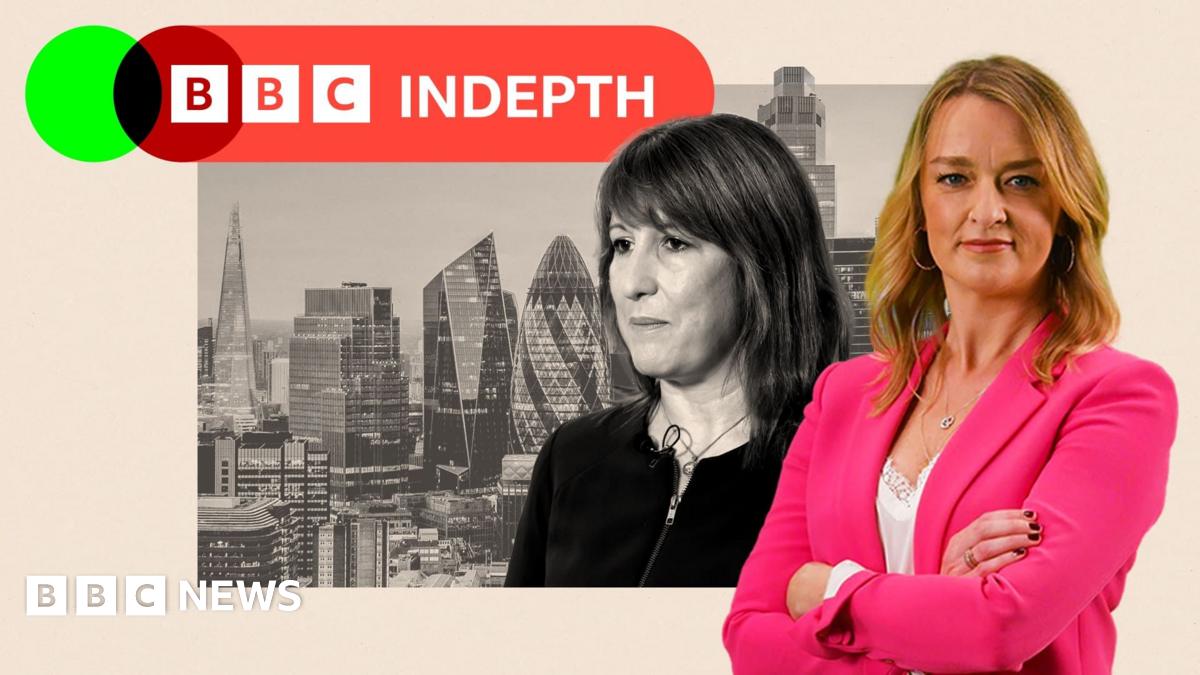
Reeves' Budget Priorities Amidst Economic Constraints and Internal Debates
Reeves is directing the Budget around three key priorities: cutting the cost of living, reducing NHS waiting lists, and lowering national debt. Planning began in July with aides focusing on overarching aims rather than detailed Treasury spreadsheets.
Approximately 13 tax proposals have been floated ahead of final decisions. Messaging to the public and markets emphasizes controlling inflation, sustaining public services, protecting long-term infrastructure funding, and restraining spending to tackle debt.
Reeves faces constraints from Labour’s manifesto commitments not to raise income tax, National Insurance, or VAT. Additional challenges arise from backbench opposition and market skepticism, especially as the Office for Budget Responsibility forecasts weaker economic growth.
Last year Reeves left around £9 billion of fiscal headroom; however, the weaker forecast from the OBR has reduced this cushion, complicating borrowing and policy decisions.
Internal political friction persists: backbench MPs press for energy cost relief and concessions such as reversing parts of the two-child cap, while leadership must avoid alienating voters by over-promising.
From a business perspective, concerns include higher National Insurance costs for hiring workers. Despite rhetoric about cutting red tape, regulators and worker protections contribute to compliance costs.
Debates continue over energy taxes, with some ministers seeking to soften oil and gas taxes to avoid deterring North Sea investment. Concurrently, Labour highlights potential savings on bills and green jobs stemming from a faster transition to cleaner energy.
Policy concerning electric vehicles remains uncertain, with discussions about a pay-per-mile charge contrasting earlier signals promising to make EV ownership cheaper, reflecting tensions in transport policy relations.