Reform UK’s First Seven Months in Power at Lancashire County Council
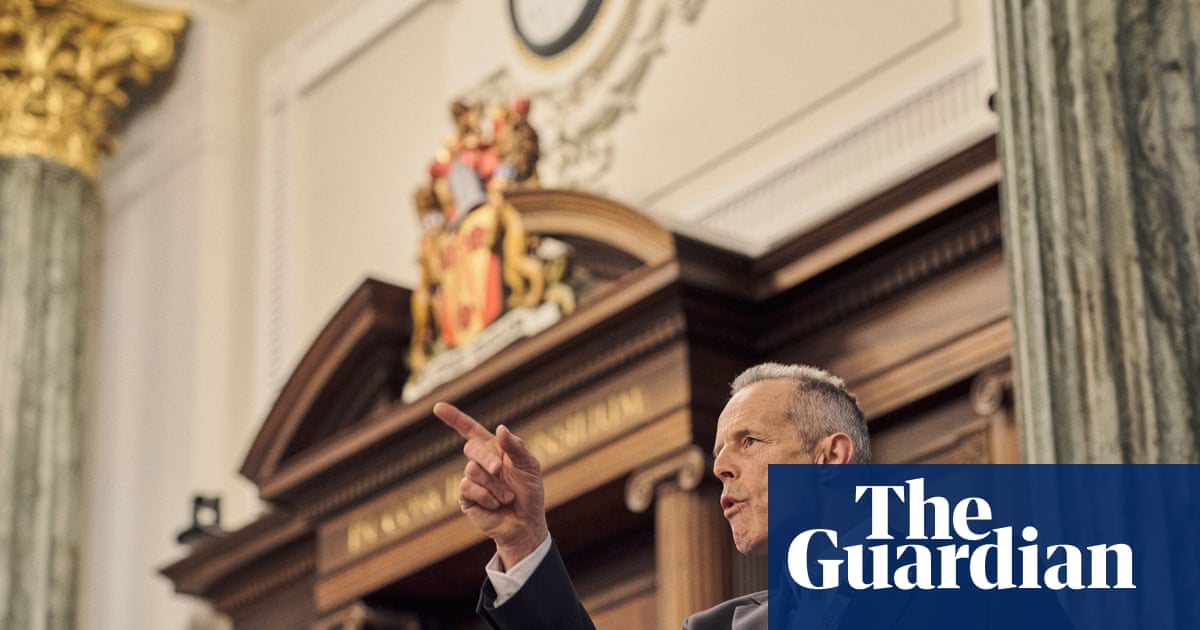
In May 2025, Reform UK won control of Lancashire County Council with 53 councillors, initiating their first full council meeting amid protests and with new member Joel Tetlow in attendance. Council leader Stephen Atkinson, a former Tory, inherited a £1.2bn budget and faced the challenge of finding about £100m in savings over the following two years.
Reform UK appointed an all-male cabinet for Lancashire, including a former AA executive for transport, a mental health nurse for health, and the owner of a private care company as cabinet member for adult social care. Early actions saw Reform’s rhetoric outpace practical change: climate change was removed from a department’s remit, councillors’ salaries were frozen, and a free-speech motion linked to ethnicity issues was passed. The council also voted to start full meetings with the national anthem.
In June 2025, Nigel Farage visited and advocated scrapping a £520,000 ergonomic chairs contract; however, reports showed only about £20,000 had been spent before a data protection dispute halted further action. By July, a new flags policy prioritized the union flag, England flag, Lancashire flag, and royal or military flags, effectively excluding Pride and rainbow flags. Lib Dems criticized this move as divisive, while Atkinson defended it as upholding free speech.
Ged Mirfin, lead member for resources, HR and property, pursued aggressive cost-cutting and positioned Lancashire as a Reform ‘model council’. He promoted AI and data technology initiatives, including bin-lorry AI and new pothole-filling machines from Multevo. With required savings projected at £75m for 2026, £95m for 2027, and £133m for 2028—totaling £303m by 2029—an initial £21.9m in savings was identified by November through vacancy control, reduced agency staff, procurement changes, and grant cuts. AI was also expected to accelerate Education, Health and Care Plans (EHCPs) and adult social care assessments.
By October 2025, the cabinet moved to rewrite the council’s inclusion and fairness policy to curb diversity, equity, and inclusion (DEI) efforts, citing that 18 DEI posts cost about £1m and claiming 2,219 DEI-related roles existed within the council.
Social policy and housing concerns included shifts after the Tickled Trout hotel closed to paying guests and Afghan refugees were accommodated there. Reform UK focused on Houses in Multiple Occupation (HMOs) as perceived centres of crime, supplementing oversight with data-driven methods. However, progress faced limitations due to broader governance challenges.