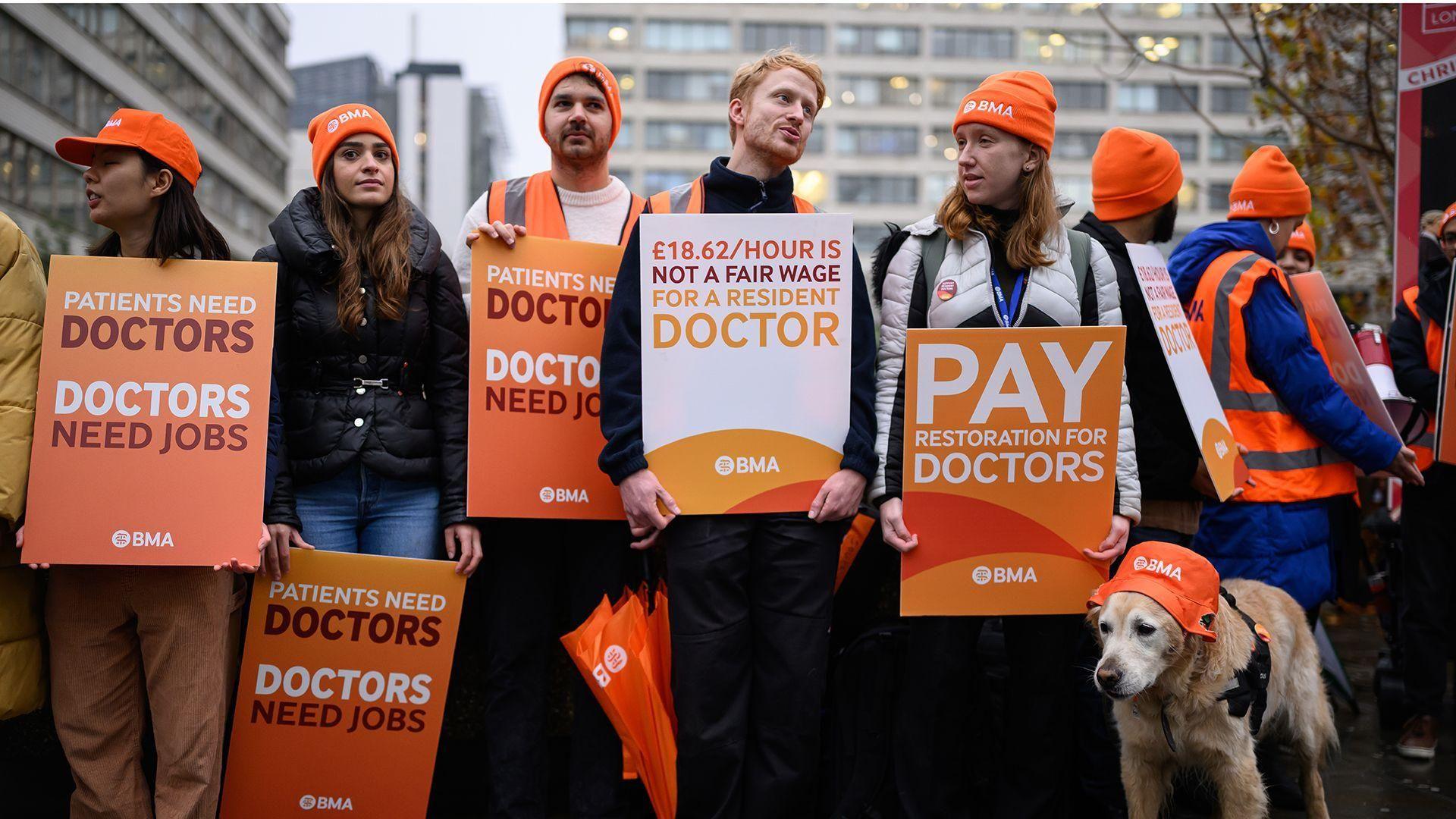
Resident Doctors to Begin Five-Day Strike Over Pay Dispute
A majority of 83% of British Medical Association (BMA) members voted online to proceed with a five-day strike starting at 07:00 on Wednesday. The strike by resident doctors, the new term for junior doctors, will impact both emergency and non-urgent care, although senior doctors will provide cover during this period. This marks the 14th strike since the dispute began in March 2023.
The government has extended an offer to the doctors that includes an increase in specialty training posts and covering out-of-pocket expenses such as exam fees. However, the offer does not include any pay rise or promises regarding pay. Health Secretary Wes Streeting has stated he will not negotiate on pay. He noted that resident doctors' pay has risen by about 30% in the past three years but remains approximately 20% lower than it was in 2008 after adjusting for inflation.
The strike comes amid heightened pressure on the NHS from flu cases, with hospital admissions for flu increasing by over 50% week-on-week to more than 2,600 in early December. The circulating flu strain, H3N2, is associated with potentially more severe illness. Rory Deighton from the NHS Confederation expressed bitter disappointment that the BMA rejected the government’s offer, particularly given the strain on hospitals caused by the rising flu cases.
BMA resident doctor leader Dr. Jack Fletcher emphasized that pay must be addressed and assured that the union remains committed to patient safety. He also stated that the BMA will coordinate with NHS England during the strike to help manage the impact on patient care.