RHS Urges Planting of Native 'Tredges' to Boost Tree Cover in England's Gardens
The Royal Horticultural Society (RHS) is encouraging gardeners across England to plant native 'tredges'—shrubs sized between trees and hedges—as a strategy to increase the country's tree cover.
England currently has about 10% woodland cover, with government plans aiming to raise this to at least 16.5% by 2050.
To highlight this, the Woodland Trust will feature a garden called Forgotten Forests Garden by Ashleigh Aylett at the Chelsea Flower Show. This garden will demonstrate the transition from damaged ancient woodland to regenerated ancient woodland, including indicator plants like wild service tree and red campion to help identify ancient woodlands.
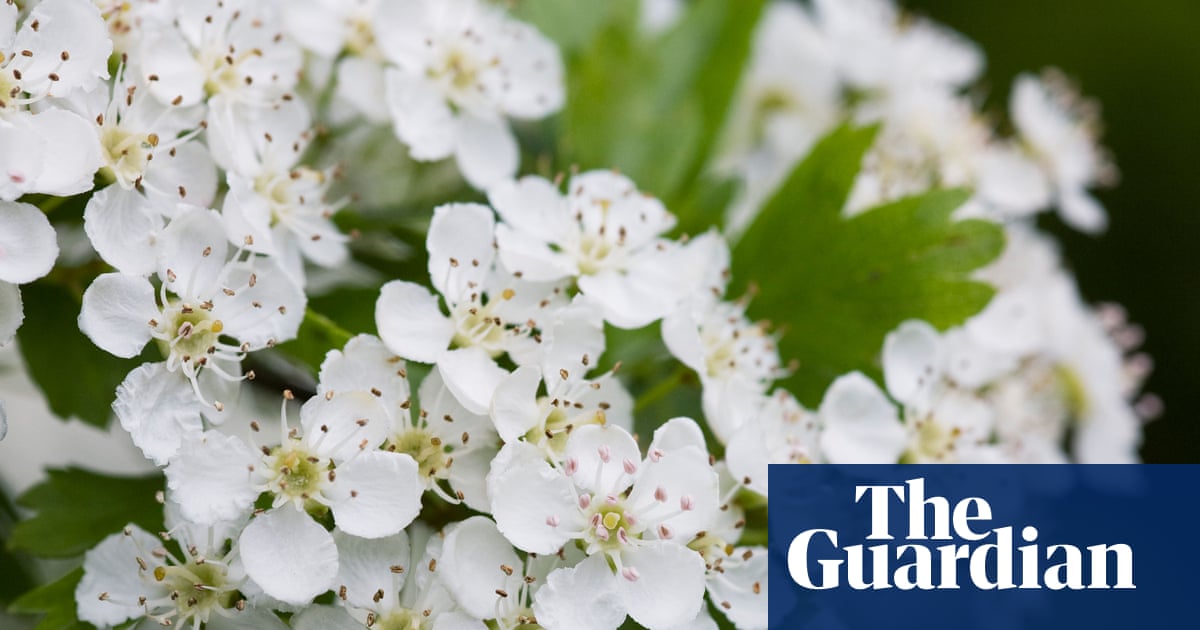
Mark Gush of the RHS has identified the Crataegus laevigata as a top example of a tredge, noting their benefits: aesthetic appeal, resilience, pollution capture, support for biodiversity, and mitigation of flooding.
The Woodland Trust further emphasized that only 7% of the UK's native woodland is in good condition, highlighting the negative effect of degraded woods on wildlife.
Tredges facilitate forest-like planting with layered canopies and ecotones, making them valuable for small spaces. They can be combined with native hedges to enhance biodiversity.
The RHS supports planting trees grown under the UK Indigenous Species Guarantee (UKISG) scheme, which reduces risks from pests and diseases by sourcing plants from seed.
After showcasing at Chelsea, the Woodland Trust garden will be relocated to Hawthorn Primary School in Newcastle upon Tyne, an area noted for low tree cover, to help increase the local canopy.
This initiative aims to improve wildlife habitats across England's 25 million gardens.