Rio Tinto and Codelco Plan Lithium Extraction in Chile’s Salar de Maricunga Amid Indigenous Opposition
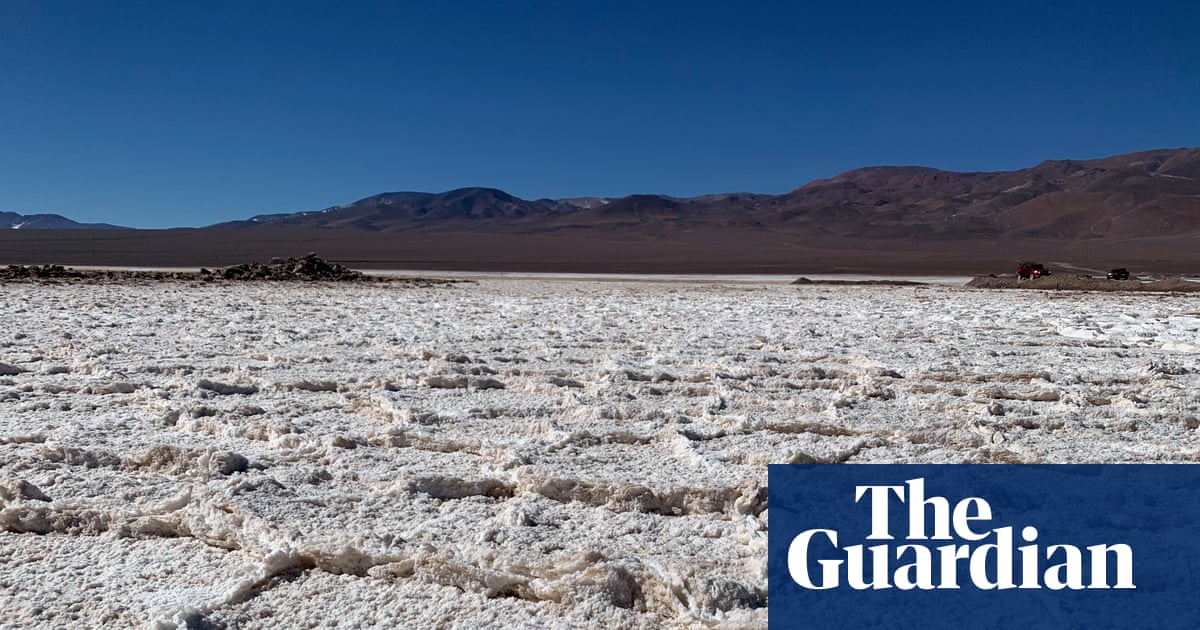
Rio Tinto and Codelco are planning lithium extraction from Salar de Maricunga, Chile’s second-largest salt flat located in the Atacama region at 3,760 metres above sea level.
The project has faced opposition from the Colla Indigenous communities, who argue that it threatens critical water sources and fragile ecosystems essential for their livelihoods.
Currently, Chile’s lithium extraction uses evaporation ponds that lose 85–95% of water during the process. A direct lithium extraction (DLE) method, which claims to reduce fresh water use through recycling, is under consideration but no preferred approach has been decided yet.
Environmental experts have raised concerns that reinjection of treated water could damage the salt flat’s ecosystem, which hosts many species and unique microorganisms. Since part of the Maricunga salt flat lies within Nevado Tres Cruces National Park, these experts warn that impacts may extend beyond the northern extraction area due to interconnected waters.
Consultation surrounding the project has been limited; while six local communities were invited to participate, 24 other Colla communities report they were not consulted. The National Council of the Colla People has initiated a legal challenge seeking to expand the consultation process.
Chile’s president-elect, José Antonio Kast, who will be inaugurated on 11 March 2026, supports faster private-sector lithium exploitation and intends to issue permits via decree. Critics caution that this approach could weaken environmental protections and regulatory oversight.