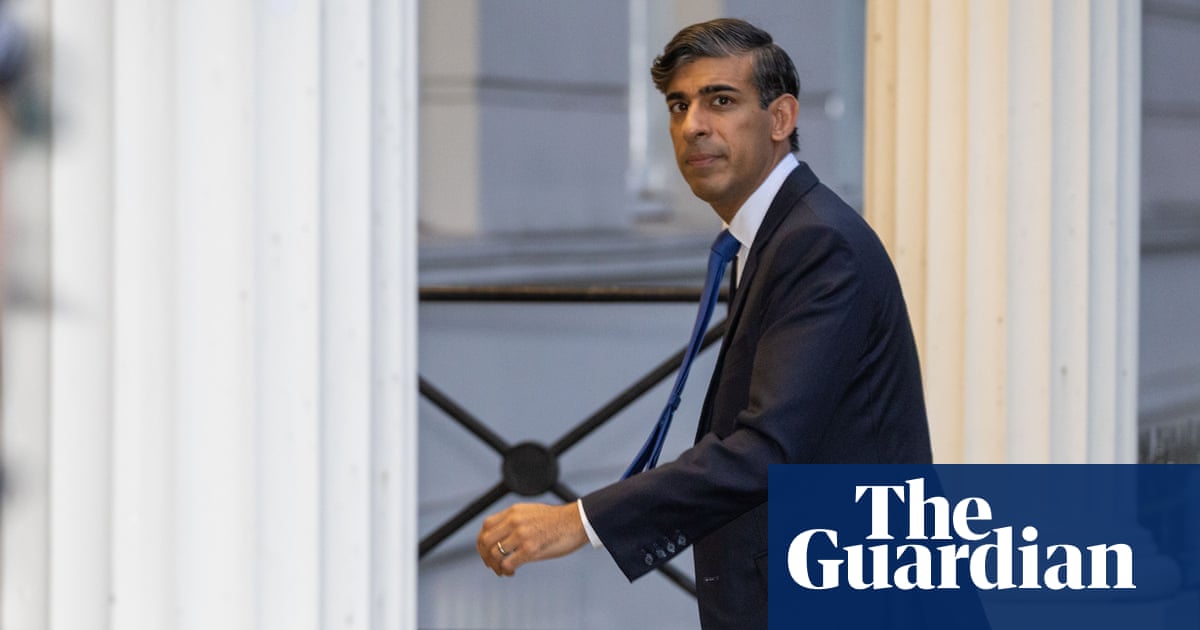
Rishi Sunak Expresses Concern About UK's Financial Stability During Early COVID-19 Response
In March 2020, Rishi Sunak was deeply concerned about the UK's ability to fund itself amid the early stages of the COVID-19 pandemic. The government had implemented rescue measures costing tens of billions of pounds to prevent mass redundancies. Sunak feared that foreign investors were more worried about Britain's solvency than other countries facing similar crises.
The period was marked by acute stress, with turmoil in the gilt market and rising interest costs within the first month of Sunak's chancellorship. To ease investor concerns, the Bank of England expanded quantitative easing by £200 billion to purchase government bonds. Additionally, the Bank of England-backed 'Ways and Means' facility was prepared as a temporary backstop but remained unused.
Job subsidies, such as the furlough scheme, were expensive but aimed to stave off mass unemployment and protect households and businesses. There were widespread concerns that without significant intervention, social order might break down—a view shared by Sunak and Bank of England Governor Andrew Bailey.
Unemployment was projected to rise from about 4% to approximately 12%. Data from the House of Commons Library showed that employment fell by 825,000 between January–March 2020 and October–December 2020, unemployment increased by around 400,000, and the number of economically inactive people grew by approximately 327,000.
Sunak stated that his priority was to protect jobs and household incomes while preventing business failures. He acknowledged that decisions involved tough trade-offs and that there was no perfect science to managing the crisis, emphasizing upfront honesty about the hardships faced.