Rising Tensions and Violence in Bangladesh Raise Regional Security Concerns
Dipu Chandra Das, a 27-year-old Hindu garment worker, was lynched by a mob in Mymensingh after being accused of blasphemy. This incident has escalated communal tensions in Bangladesh, where protests also followed the killing of Sharif Osman Hadi, a prominent student leader. Allegations surfaced that a suspect linked to the Awami League fled to India, although Bangladesh has stated there is no confirmation.
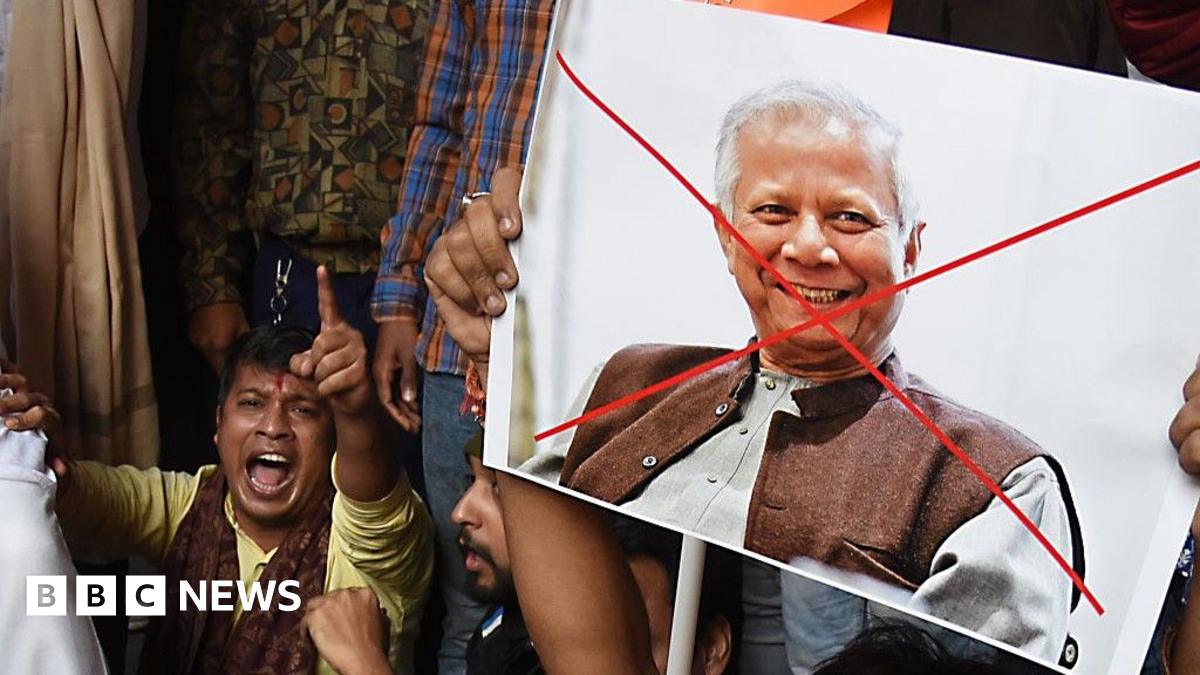
In response to these developments, both Bangladesh and India suspended visa services in several cities and summoned each other’s high commissioners in efforts to address security concerns. Anti-India sentiment has grown in Bangladesh, leading to protests, including a mob attack on the Indian assistant high commission in Chittagong; twelve individuals were arrested but later released without charges.
The diplomatic tensions are compounded by Dhaka’s demand for Sheikh Hasina’s return from India and India’s stance on the matter, reflecting long-standing issues over Indian influence in Bangladesh. Meanwhile, Bangladesh’s interim administration led by Muhammad Yunus is under intense scrutiny ahead of the national elections scheduled for 12 February. The Awami League has been barred from participating, positioning the BNP as the expected winner and Jamaat-e-Islami as a potential challenger.
Analysts warn that rising mob violence and hardline elements threaten the rights of minorities and undermine civil society. There are growing concerns about Bangladesh's security and stability, which could also impact India’s northeastern regions. An Indian parliamentary panel has described the situation in Bangladesh as the greatest strategic challenge to Delhi since 1971. India plans to engage with the elected government following the upcoming elections to pursue a diplomatic reboot.