Royal Brompton Hospital Introduces Advanced CZT Scanner for Faster Lung Imaging
Royal Brompton Hospital has installed a cadmium zinc telluride (CZT)-based scanner, significantly reducing the time required for some lung scans from 45 minutes to just 15 minutes. CZT is a semiconductor material that enables highly detailed 3D lung imaging while also reducing the radioactive dose given to patients by about 30% during scans.
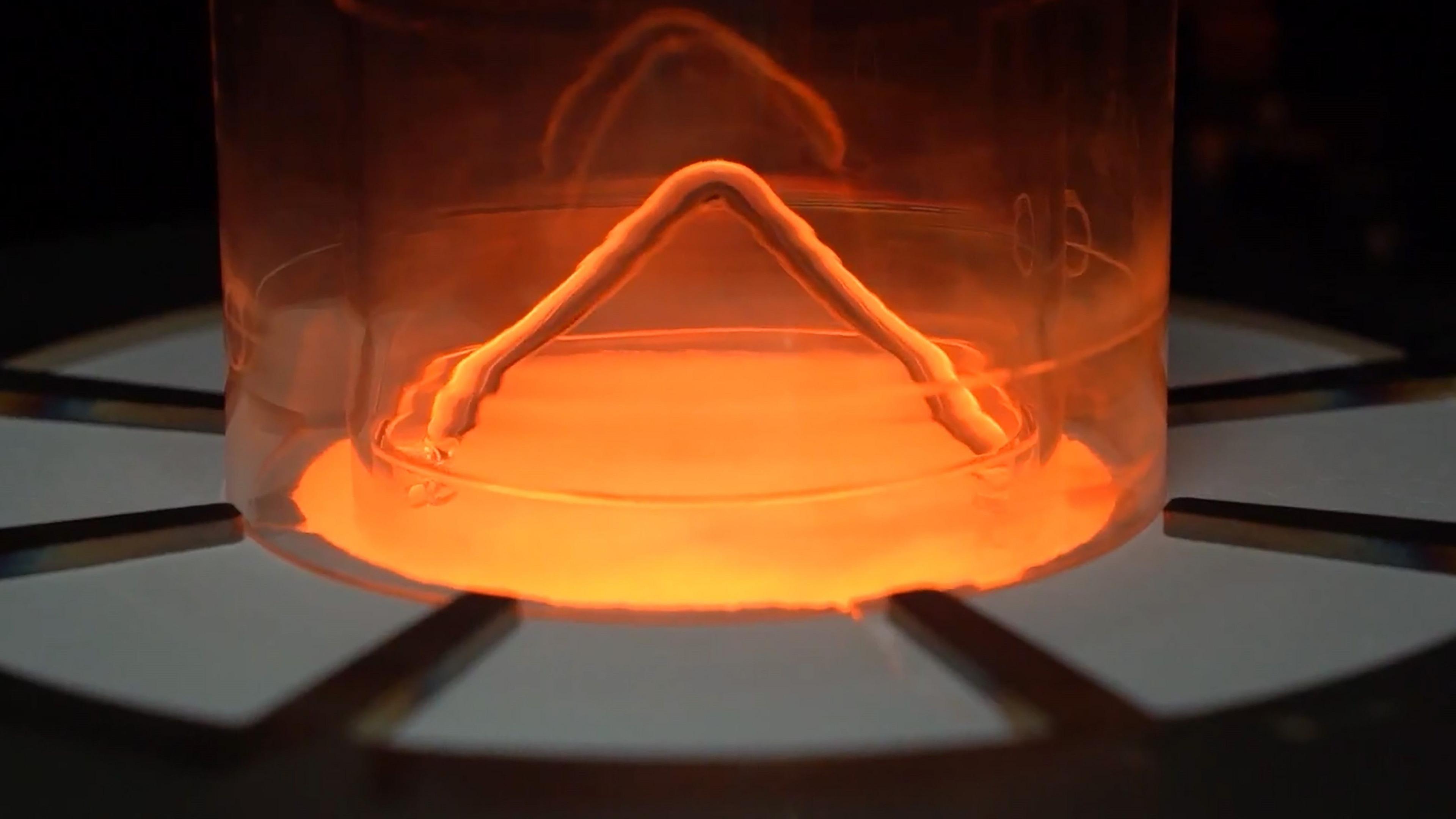
The CZT device used at the hospital was supplied by Kromek, one of the few companies worldwide capable of manufacturing this complex technology. Kromek's manufacturing process involves growing and aligning crystals using around 170 furnaces at its Sedgefield facility over several weeks.
CZT-based detectors are versatile and have applications beyond medical imaging, including use in X-ray telescopes, radiation detectors, and airport security, with potential future deployment in hand-luggage screening. The technology aids in detecting blood clots and pulmonary embolisms in the lungs, notably benefiting patients with long Covid.
A key advantage of CZT is its ability to perform a digital single-conversion step that preserves timing and energy data, allowing for colour or spectroscopic imaging.
Additionally, the Diamond Light Source facility in Oxfordshire plans a £500 million upgrade to include CZT detectors, aiming for completion by 2030, which will provide brighter X-rays. However, a US government shutdown has delayed or impacted the scheduling of a December Antarctic mission that would have used CZT-based detectors.