Saudi Arabia and UAE Clash Over Yemen's Future Amid Rising Tensions
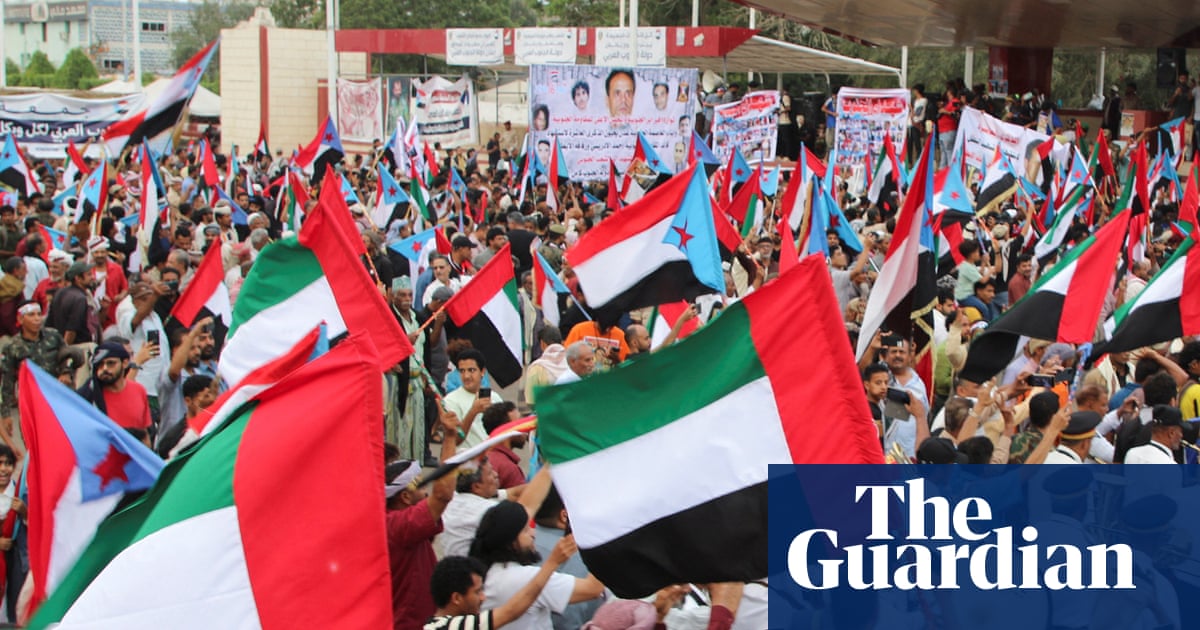
Saudi Arabia and the United Arab Emirates are embroiled in a worsening dispute over the future of Yemen, as the UAE-backed Southern Transitional Council (STC) pushes for an independent southern state. Riyadh has accused Abu Dhabi of threatening its national security amid these tensions.
The STC has expanded its control into the Hadramaut and al-Mahra regions, now holding sway over most of the former South Yemen and its valuable oilfields. This expansion has exacerbated the conflict between the two Gulf powers.
In a recent escalation, Saudi-led coalition airstrikes targeted vehicles at the port of Mukalla. Riyadh claimed these vehicles were intended for STC use and had come from an Emirati port, labeling this a red line threat to Saudi security.
Despite the UAE withdrawing a small number of counter-terror forces, it continues to back the STC, maintaining its influence across southern Yemen.
The STC’s rise was formalized in 2019 when it secured seats on Yemen's Presidential Leadership Council (PLC), reflecting long-standing grievances with the northern regions and the country’s federal arrangements.
Analysts warn this rift risks triggering a civil war in southern Yemen, with potential spillover to Sudan and the Horn of Africa. This conflict marks a shift from proxy competition between Saudi Arabia and the UAE to direct confrontation.
Western governments have approached the situation with caution, generally favoring the preservation of a unitary Yemeni state. Meanwhile, the split between Saudi Arabia and the UAE may provide an opportunity for the Houthis to strengthen their position.