Scottish Whisky Market Faces Production Cuts Amid Falling Sales and US Tariffs
The global Scotch whisky market is experiencing a downturn, with sales falling 3% in the first half of 2025, marking the third consecutive year of decline according to IWSR data. US tariffs of 10% on UK whisky imports continue to impact the sector significantly, with the Scotch Whisky Association (SWA) estimating the cost at about £4 million per week, totaling nearly £20 million per month in lost sales. These tariffs also threaten over 1,000 jobs within the industry.
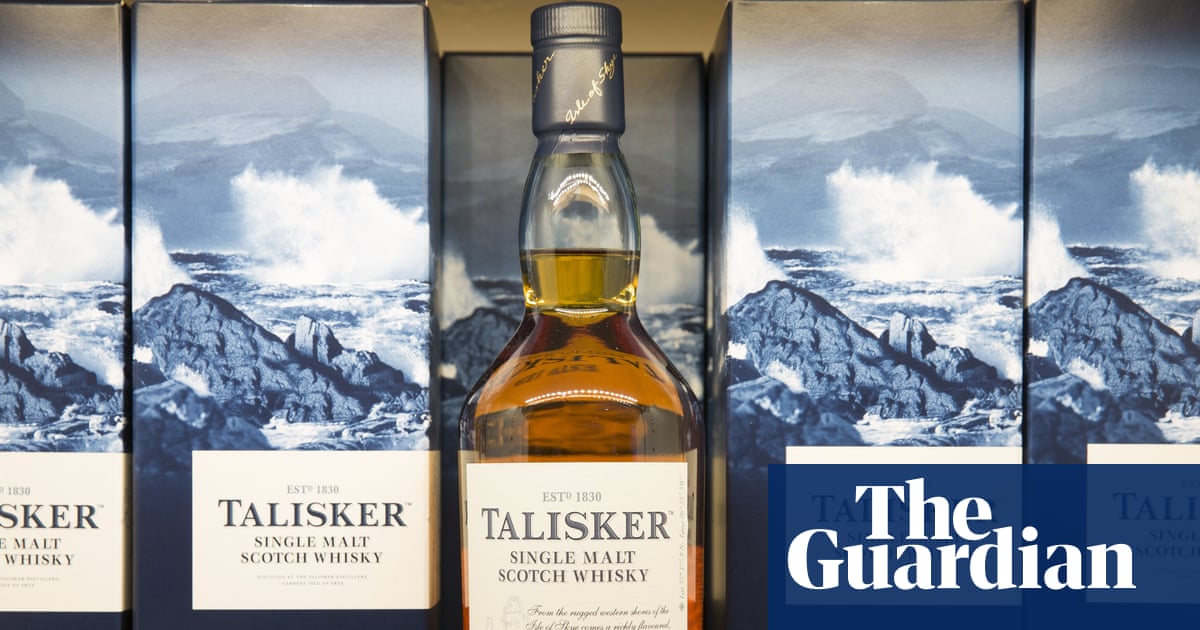
In response, distilleries across Scotland have paused or reduced production to better align capacity with the reduced demand. Notably, Diageo has cut malt distillery output and paused operations at its Roseisle Maltings until at least June 2026. Teaninich distillery has reduced its working days from seven to five per week. The future of Diageo’s Talisker redevelopment project on the Isle of Skye remains uncertain, as planning permission is still awaited with no definitive investment plans announced.
Despite the downturn in Scotch whisky, the broader whisky market globally has shown some resilience, with volumes up 3% in the first half of 2025. However, US Scotch sales have been especially hard hit, falling 6% in the first nine months of 2025, following a 9% drop in 2024. This contrasts with growth in 2020, when US sales rose by 4%. The decline in alcohol consumption in the US is reflected in a Gallup poll from August 2025, which found that only 54% of Americans consume alcohol, the lowest level in nearly 90 years.
In light of surplus inventory, some producers are expanding storage capacity to manage unsold stock. International Beverage invested £7 million in six new warehouses, adding space for 60,000 casks. The challenges faced by the whisky sector are mirrored in the US bourbon industry, with Jim Beam announcing the shutdown of production at its Kentucky main site for all of 2026, further illustrating cutbacks in production amid the decline in demand.