Scottish Whisky Production Scales Back Amid Falling Sales and US Tariffs
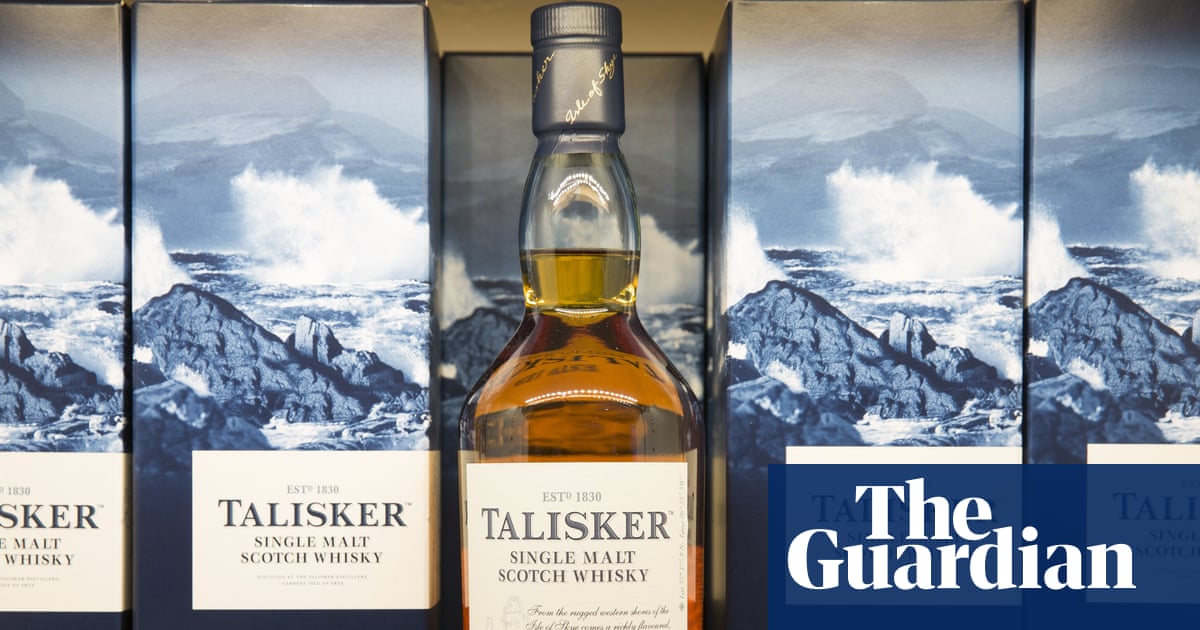
Diageo has reduced production at several Scottish distilleries, including cutting operation days at Teaninich in the Highlands from seven to five and pausing Roseisle Maltings until at least June 2026. Production plans are currently under review, while the redevelopment of the Talisker distillery on the Isle of Skye remains uncertain as planning permission is still awaited and no definitive investment plans have been announced.
The Scotch Whisky Association (SWA) indicates that US tariffs continue to heavily impact the sector, costing about £4 million per week. A 10% tariff on UK whisky imports to the US remains in place despite political agreements, contributing to over 1,000 lost jobs and nearly £20 million in lost sales monthly. This has coincided with a global decline in Scotch sales, which fell 3% in the first half of 2025, marking the third consecutive year of decline after decades of growth.
US Scotch sales specifically decreased by 6% in the first nine months of 2025, showing some improvement from a 9% fall in 2024. This decline reflects broader decreases in alcohol consumption. In response, some producers are investing in additional storage capacity for unsold stock. For example, International Beverage has spent £7 million on six warehouses, adding capacity for 60,000 casks.
Meanwhile, Jim Beam (Suntory) will cease production at its Kentucky site throughout 2026, with other US distilleries also cutting back their output. Despite these challenges, IWSR analyst Luke Tegner believes that the Scotch whisky industry remains capable of growth by the end of the decade, although tariffs and affordability issues continue to pose obstacles.