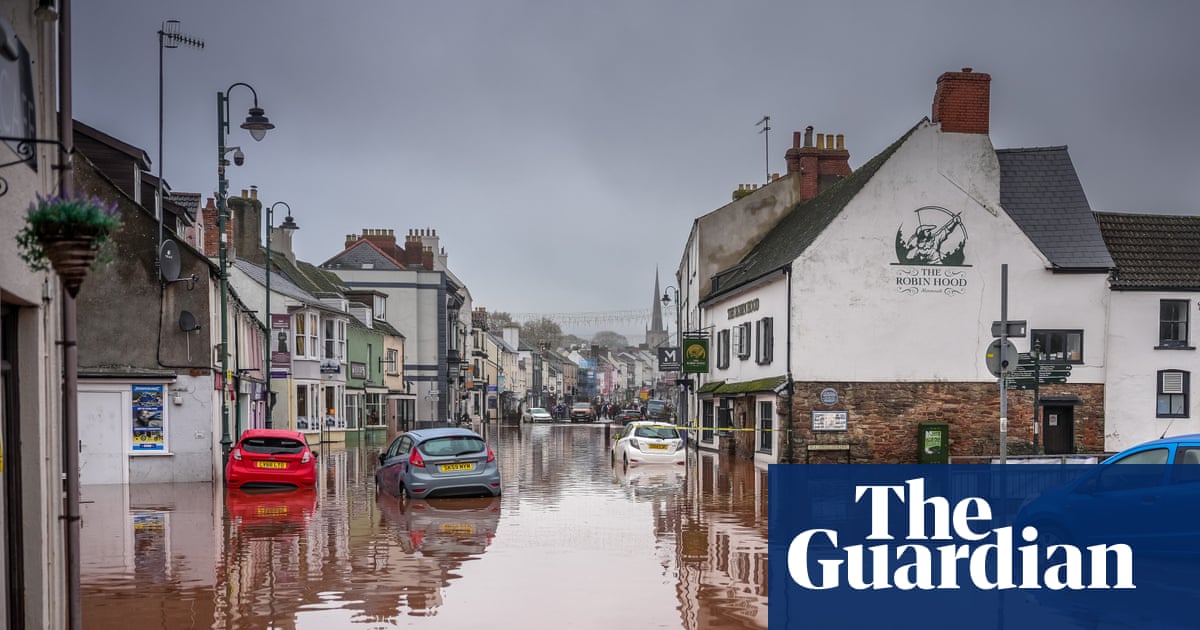
Severe Flooding in Monmouth After Storm Claudia Impacts Nearly 200 Homes and 120 Businesses
Monmouth experienced severe flooding following Storm Claudia, described as the worst since the 1970s. Nearly 200 homes and about 120 businesses were affected, with the nearby village of Skenfrith flooded for the fourth time in five years.
Bar 125, a new establishment opened just eight days before the flood, suffered flooding in its cellar and kitchen. Despite losing appliances and thousands of pounds’ worth of food, it managed to reopen 10 days later, thanks to assistance from tradespeople and local residents. However, the bar’s insurance policy did not cover flood damage or lost trade.
Independent businesses in Monmouth have faced a slow return to normal trading conditions. Larger stores such as Waitrose and Marks & Spencer have reopened, while Harts of Monmouth remains partly open on the first floor as recovery continues. Estero Lounge reopened on 4 December, with the cost of the flood estimated in the low hundreds of thousands of pounds, mostly covered by insurance. Insurance outcomes varied among businesses; for instance, Fingal-Rock’s policy included damage coverage, unlike Bar 125, and many insurance premiums are expected to rise in the future.
Local support measures were introduced, including financial assistance of up to £1,000 per resident and up to £3,000 per business. Additionally, council tax and business rates were suspended, and parking charges in council car parks were paused to aid recovery.
Officials cautioned that anxiety stemming from the flooding remains, with ongoing rains raising renewed concerns. The climate crisis is expected to increase the frequency of severe flooding events.
Currently, Flood Re covers residential properties only. Expanding coverage to commercial properties would require a significant levy, potentially raising costs for small businesses and consumers. The government is investing a minimum of £10.5 billion across England to enhance protections for homes and businesses from flooding, aiming to safeguard nearly 900,000 properties.