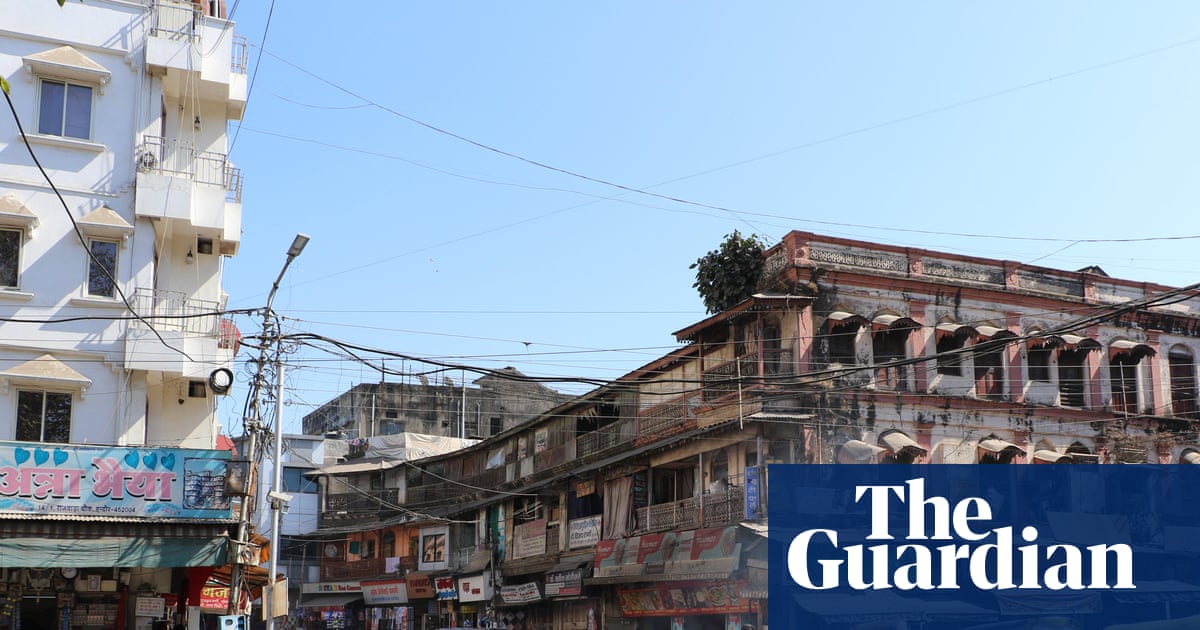
Sewage-Contaminated Drinking Water Crisis in Indore Leads to Deaths and Hospitalisations
Indore, India’s cleanest city for eight consecutive years, is facing a serious sewage-contaminated drinking water crisis resulting in multiple deaths and widespread illness. At least 15 deaths have been reported in connection with a diarrhoea outbreak originating from contaminated water in the area of Bhagirathpura, although official sources have yet to confirm the final toll. Authorities have identified 32 people in intensive care and 2,456 suspected cases through door-to-door checks.
More than 270 individuals were hospitalised after sewage seeped into the water supply, with affected residents experiencing symptoms such as vomiting, diarrhoea, and high fever. Investigations revealed that a public toilet constructed directly above a drinking-water pipeline, without a proper septic tank, caused the sewage to infiltrate the main water supply. Water testing detected bacteria characteristic of sewer contamination.
Officials condemned the situation as a gross dereliction of duty, leading to the suspension of several municipal employees. Tragically, a five-month-old infant died after reportedly being bottle-fed tap water; the infant's father noted that no warning was issued to residents, who continued to use the contaminated water.
In response, the government announced plans to introduce new regulations aimed at preventing future incidents. Chief Minister Mohan Yadav committed to a thorough investigation into the crisis. Meanwhile, opposition leader Rahul Gandhi criticised the government for negligence in handling water safety.
This incident highlights wider concerns about water safety across India. For instance, only 8% of Delhi’s water-testing laboratories have required accreditation, while the figure nationwide for public labs stands at 59%.