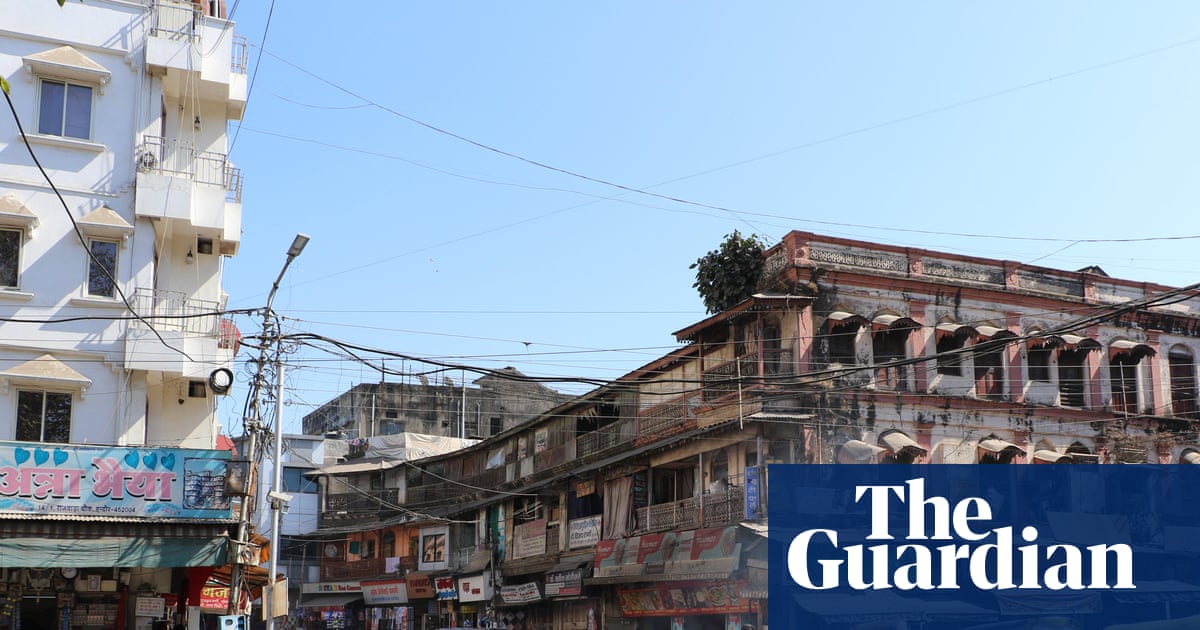
Sewage Contaminates Drinking Water in Indore, Causing Multiple Deaths and Hospitalizations
Indore, Madhya Pradesh, known as India’s 'cleanest city' for the past eight years, is currently facing a severe crisis involving sewage-contaminated drinking water. At least 10 people have died, including a five-month-old baby, and more than 270 others have been hospitalized due to waterborne illnesses.
Health teams conducted door-to-door visits identifying 2,456 suspected patients, with 32 remaining in intensive care. The contamination was traced to a public toilet constructed above a drinking-water pipeline without a septic tank, which allowed sewage to seep into the main water supply. Water tests confirmed the presence of bacteria typically found in sewer water.
Municipal officials have been suspended pending an investigation, and local councillor Kamal Waghela described the incident as a gross dereliction of duty. A five-month-old infant tragically died after being bottle-fed with tap water; the infant's father criticized authorities for failing to warn residents about the contamination.
Chief Minister Mohan Yadav has pledged to implement new regulations to prevent similar incidents in the future, assuring that no stone will be left unturned. Political responses include Rahul Gandhi accusing the state government of negligence, while an editorial in The Hindu urged stronger enforcement of water safety guidelines.
This incident has raised nationwide concerns regarding water safety standards, especially considering the low rate of laboratory accreditation for water testing—only 8% in Delhi and 59% nationwide according to NABL standards.