Significant Business Rate Increases Loom for Pubs in England and Wales from April 2026
From April 2026, a revaluation of rateable values will affect most commercial properties in England and Wales, with pubs expected to face significant increases. This is largely due to the valuation base being set in 2021 and the phasing out of Covid-19 relief measures.
UK Hospitality has warned that the substantial rises in business rates could force many venues to reduce staff, raise prices, or even close. Small hospitality venues alone face an estimated £318 million increase in business rates over the next three years.
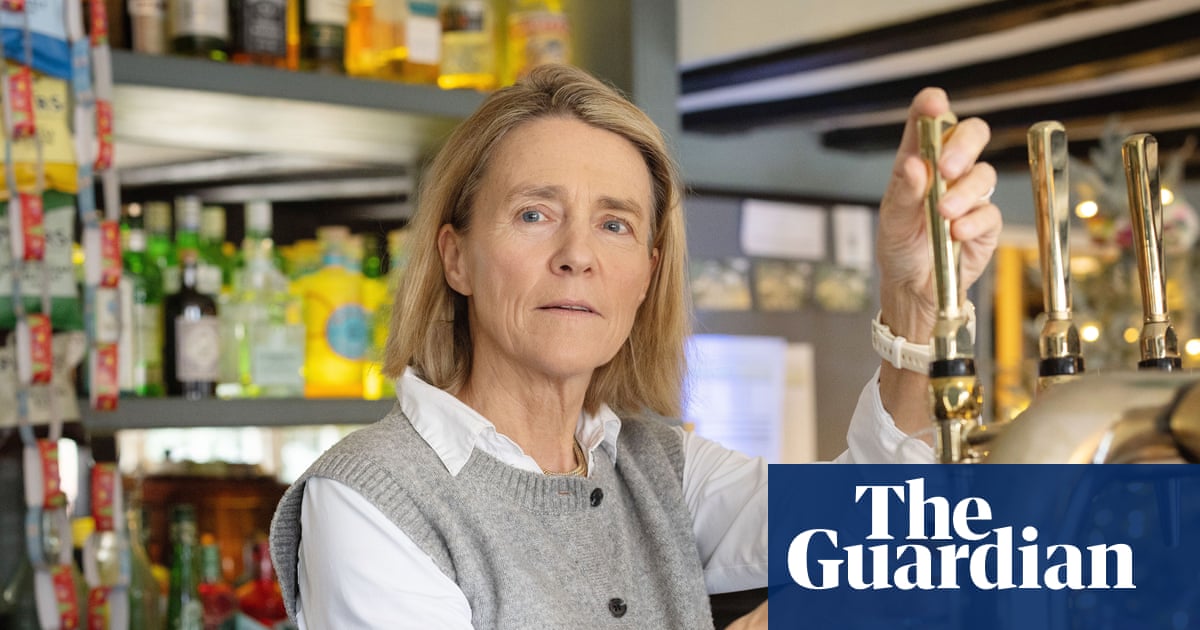
Examples of the increases include the George pub operated by Longbow Venues, where the rateable value is set to rise from £49,000 to £205,000, resulting in the rates bill soaring from £24,451 to £88,150 by 2029. Meanwhile, the Three Hills pub in Bartlow, Cambridgeshire, will see its bill increase from £12,814 to approximately £22,626 by 2028, and could rise to £28,595 after full relief ends. Owner Emma Harrison has expressed concerns about profitability.
The Old Thatch pub in Wimborne, Dorset is facing a 126% rise in rateable value, pushing the annual bill from £18,620 to £36,190 by 2028. Landlord Andy Lennox noted that margins at pubs are already very slim.
In the Lake District, a Robinsons Brewery pub will see its rateable value jump from £45,000 to £224,000, prompting calls for reassessment.
Amid these challenges, a "No Labour MPs" campaign has emerged among some pub owners, with high-profile supporters including Jeremy Clarkson. This campaign has been covered widely by tabloids.
In response, Chancellor Rachel Reeves has emphasized that the upcoming budget includes caps and relief measures aimed at keeping business rates lower for pubs. She estimates that a typical independent pub will pay approximately £4,800 less next year due to these measures.
The government also points to a £4.3 billion support package for pubs, restaurants, and cafes. Additional forms of relief include a continued cut in draught beer duty, eased pavement licensing regulations, and a capped corporation tax rate, all intended to support the hospitality sector through these financial pressures.