Silicon Valley Firms and Former UK Politicians Forge Closer Ties Amid AI Push
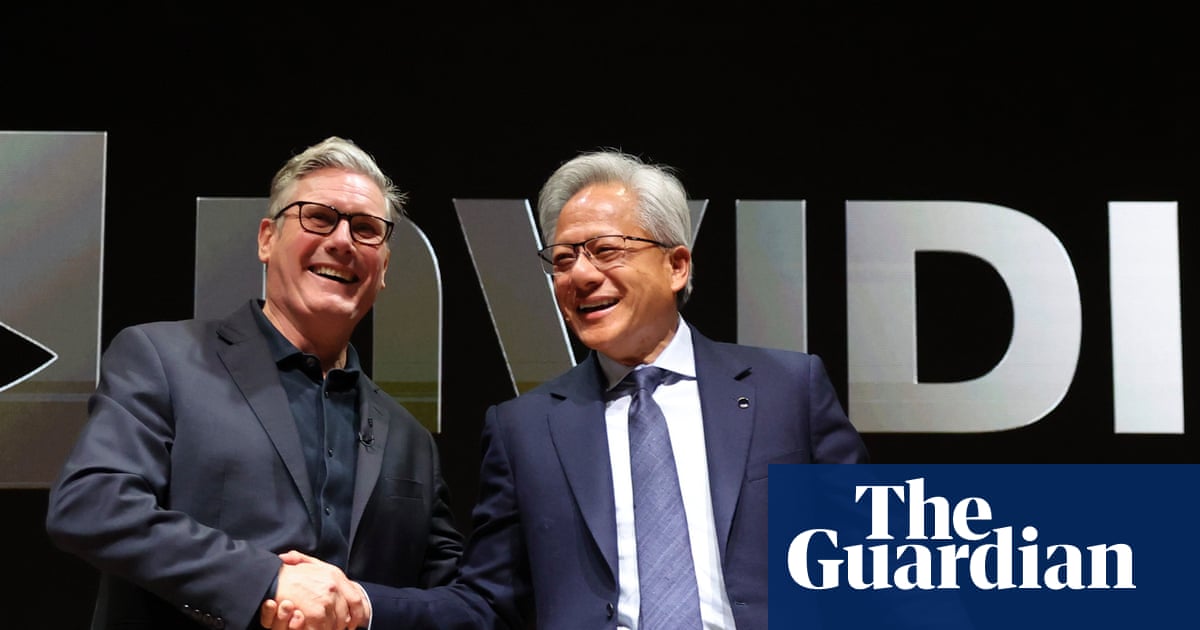
In September 2025, Nvidia hosted a private event in London during Donald Trump's state visit attended by Keir Starmer and cabinet ministers. At this event, Nvidia's CEO Jensen Huang announced significant AI investments and called for support of an AI-led “new industrial revolution.”
Meanwhile, OpenAI has bolstered its connections with Westminster by hiring former chancellor George Osborne, further entwining Silicon Valley with UK political circles. In October 2025, former Prime Minister Rishi Sunak took on advisory roles with AI firms Anthropic and Microsoft, while Liam Booth-Smith joined Anthropic following a UK government memorandum of understanding.
Nick Clegg, former Lib Dem deputy prime minister and Meta executive for seven years, now works as an AI investor. Reports suggest he earned tens of millions at Meta, though he has not confirmed this.
The Tony Blair Institute (TBI) is advocating for a UK digital ID policy. TBI receives partial funding from Larry Ellison’s Oracle Foundation, with Kirsty Innes, once a special adviser to Liz Kendall, involved in the effort.
The Commons Science, Innovation and Technology Select Committee is monitoring this "revolving door" phenomenon between government and tech. MP Alex Sobel has expressed concerns that hiring former high-level leaders from government to tech could weaken regulatory frameworks.
Tech companies are also embedding themselves in public sectors: Palantir is introducing AI systems to UK health trusts, police forces, and local councils, aided by communications led by a former Downing Street strategic communications head.
Additionally, tech leaders are being appointed to public roles. Raia Hadsell from Google DeepMind and Tom Blomfield of Monzo have been named AI ambassadors, with Blomfield also becoming a partner at Y Combinator. Public Digital and Emily Middleton are linked to senior civil service positions, reflecting the deepening integration of tech expertise within government.