SNP Seeks Fifth Term in Pivotal Scottish Election Amid Political Shifts and Legal Challenges
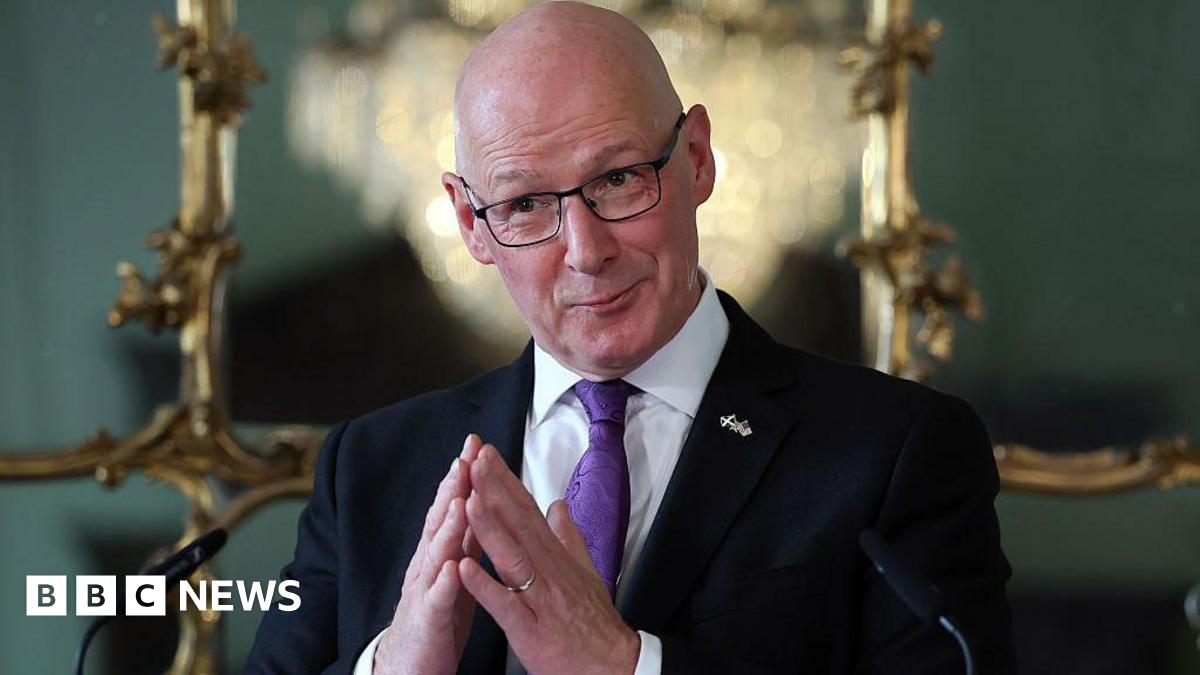
The Scottish National Party (SNP), led by John Swinney, is campaigning for a fifth term in the upcoming Holyrood election on 7 May, which will determine control over critical areas such as the NHS, education, and policing.
Despite Labour’s defeat in Westminster, the SNP remains ahead in recent polls. Labour leader Anas Sarwar has pledged a new direction for Scotland ahead of the vote.
Political dynamics in Scotland are shifting, with Reform UK making gains that are affecting both Labour and the Conservatives. Some opponents view Reform UK as a strategic distraction that favors Swinney.
The Greens and Liberal Democrats are seen as potential areas of growth, while the SNP is emphasizing Scottish independence to attract pro-statehood voters beyond its traditional base.
The draft Scottish budget, due to be unveiled on 13 January, will require cross-party support due to the SNP operating as a minority government. Funds released by ending the UK two-child benefit cap will be used to enhance anti-poverty measures. Income tax rates are expected to remain unchanged, although there may be tweaks to tax thresholds.
In addition to budget matters, a backbench bill allowing some terminally ill individuals to seek medical assistance to end their lives is being debated, having already received approval in principle.
The 7 May election coincides with Welsh Parliament and English local elections, marking a UK-wide test of public opinion and scrutiny of Keir Starmer’s leadership. The Chancellor has intervened to protect jobs at the Grangemouth refinery.
Key UK decisions affecting Scotland loom large, including whether to approve the Rosebank oil field, permitting Chinese-manufactured wind turbines at Ardersier, and determining the site for a new munitions factory. Immigration remains a top issue for the public.
Looking ahead, Nicola Sturgeon is among prominent figures set to step down in 2026, and nearly one-third of Holyrood’s 129 members are also leaving, indicating a significantly changed Parliament.
Legal challenges are prominent with ex-SNP chief executive Peter Murrell charged with embezzlement, Labour MSP Colin Smyth suspended over allegations of indecent images and voyeurism, and an ongoing investigation into Justice Secretary Angela Constance’s ministerial conduct.