Social Housing and Development Challenges in Battersea Power Station Redevelopment
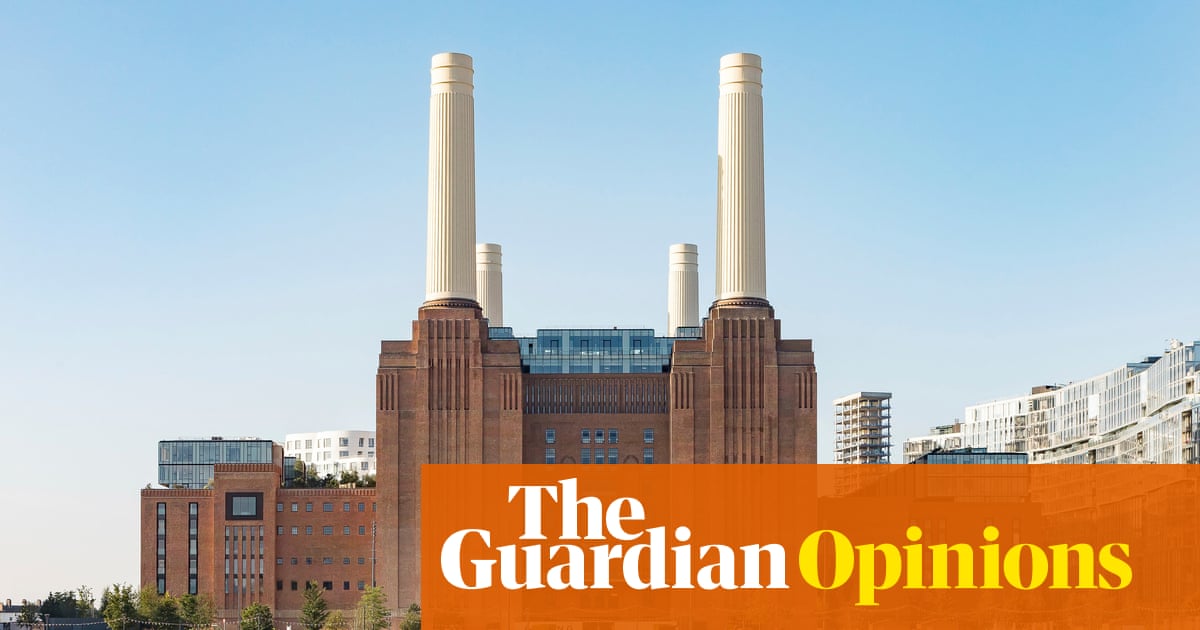
In 2012, Malaysian investors purchased Battersea Power Station and the surrounding Nine Elms area for £400 million, marking the start of a major redevelopment effort. The site, known for its iconic industrial heritage, attracted significant attention, including when David Cameron launched the Conservative manifesto there in 2010.
By 2022, the Battersea Power Station area had opened with luxury amenities such as Rolex and Cartier stores, a glass sky pool, and the US embassy. However, this high-end development sparked concerns about the displacement of long-term residents from the community.
Historically, the Conservative-led Wandsworth Council had reduced the proportion of affordable housing on the site from 33% to 9% in 2017, intensifying worries about community impact. Between 2022 and 2025, Labour took control of the council, with Aydin Dikerdem becoming the housing cabinet member. The council engaged in negotiations with developers and the Greater London Authority to address housing needs, and notably boycotted the power station launch due to insufficient social housing provision.
After extensive discussions, an agreement was reached to deliver 203 council homes as part of a 17-hectare master plan for Battersea Power Station. In 2025, 57 new council homes for rent were built on the Patmore estate alongside new play spaces and a Theo Porteous memorial, reflecting a commitment to maintaining mixed-income communities in central London.
Nonetheless, in the same year, Housing Secretary Steve Reed proposed reducing London’s affordable housing quota from 35% to 20% to accelerate development. Critics warned that this move could undermine long-term housing supply and community stability. In response, Aydin Dikerdem argued for a stronger state role in housing provision, especially when the market fails to meet community needs.