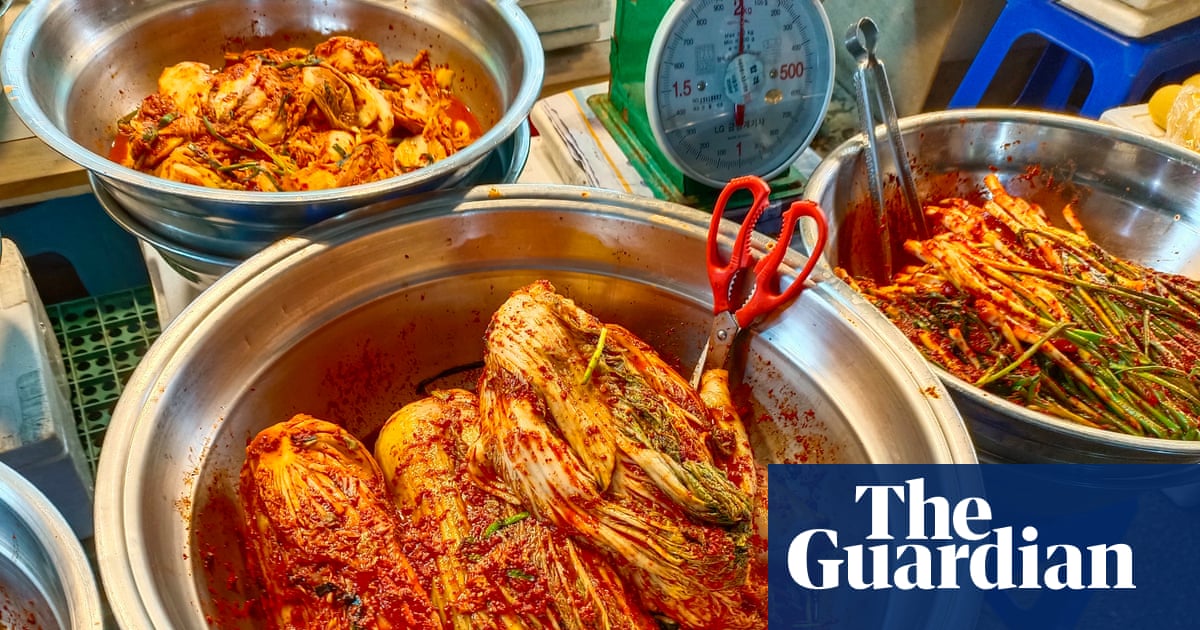
South Korea Faces Challenges as Cheaper Chinese Kimchi Floods Domestic Market
In the first ten months of the year, South Korea imported $159 million worth of kimchi, almost entirely from China, while exporting $137 million. Chinese kimchi sells to restaurants at about 1,700 won per kilogram, significantly cheaper than Korean-made kimchi which averages around 3,600 won per kilogram.
This price difference has increased domestic market pressure, with cheaper Chinese kimchi increasingly used in restaurants. Local producers, many of which are micro-businesses with four or fewer employees, face declining sales despite kimchi's cultural prominence in South Korea. Roughly 75% of kimchi manufacturers are small-scale, making it difficult to compete with industrial-scale Chinese production.
Demand for kimchi is also shifting from home preparation to ready-made products and dining out, reflecting changing household structures; single-person households now account for more than 36% of all households. The climate crisis further complicates production, as cabbage farming is disrupted with summer cultivation becoming harder in highland areas and wholesale cabbage prices sometimes doubling year over year.
Industry and government measures aim to support domestic producers and the kimchi industry. These include a voucher scheme worth 1,280 won per kilogram to encourage restaurants to switch to Korean kimchi, calls for advanced tariff assessments, and labeling schemes to promote Korean product use. Additionally, government actions focus on strengthening domestic and export foundations through weather forecasting, pest control, shelf-life research, and support for industry labeling and other needs.
Kimchi's global reputation as a world-food commodity contrasts with the pressures it faces domestically, highlighting the challenges of balancing international demand with sustainable local production.