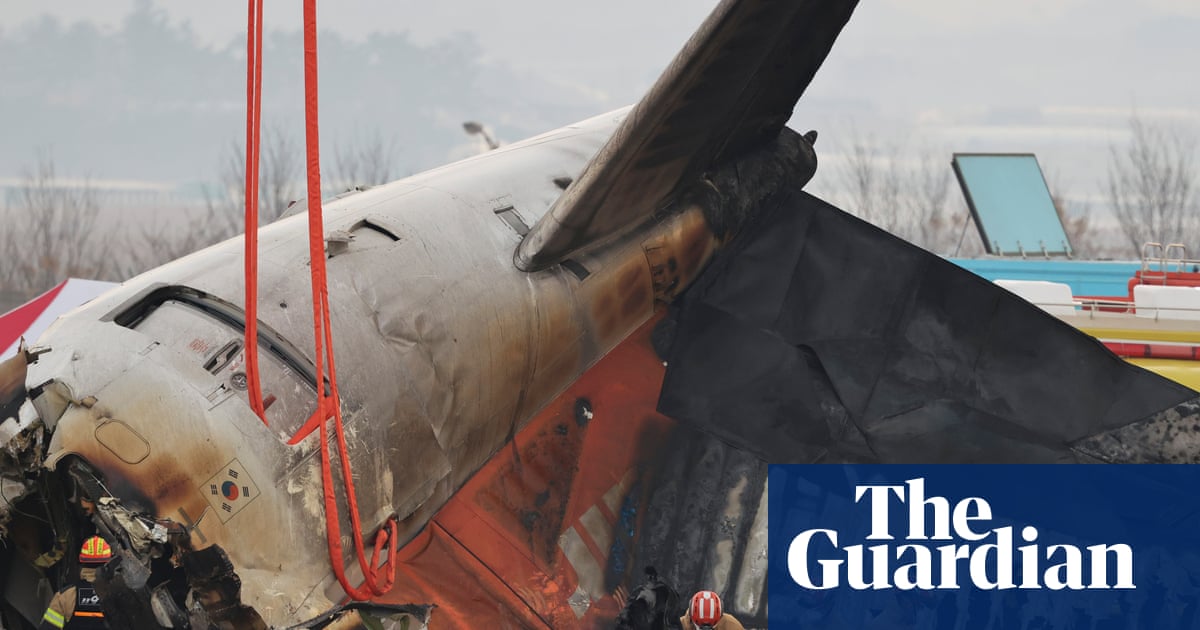
South Korea Launches Independent Inquiry into Jeju Air Crash that Killed 179
South Korea's parliament has initiated an 18-member independent inquiry into the Jeju Air crash that resulted in 179 fatalities out of 181 passengers on 29 December 2024 at Muan International Airport. The investigation will last 40 days with the possibility of extension.
The inquiry, approved by a 245-1 vote, aims to determine whether government agencies downplayed or concealed evidence related to the crash. It has the authority to summon officials from the transport ministry, Korea Airports Corporation, Jeju Air, and other relevant bodies.
The official investigation is currently conducted by the Aviation and Railway Accident Investigation Board (Araib), which reports to the transport ministry. Families of the victims have expressed concerns that this structure presents a conflict of interest and violates international standards for independent accident investigations.
Police investigations are also underway, focusing on multiple current and former transport ministry officials linked to the disaster. Controversy has surrounded the transparency of the investigation, including Araib's postponement of public hearings, families describing the proceedings as a self-investigation aimed at downplaying issues, and cancellation of a re-examination of wreckage after families were not permitted to photograph it.
An interim report is mandated by 29 December under international aviation regulations if a final report cannot be completed by then.
The crash occurred following a bird strike; the Jeju Air Boeing 737-800 belly-landed and subsequently collided with a concrete embankment at the runway's end before exploding. The flight originated from Bangkok and crashed at Muan, located approximately 288 km south of Seoul. Bird remains were found in both engines.
This inquiry takes place amid a broader atmosphere of public distrust concerning South Korea's handling of major disasters, recalling the 2022 Itaewon tragedy and the 2014 Sewol ferry disaster.