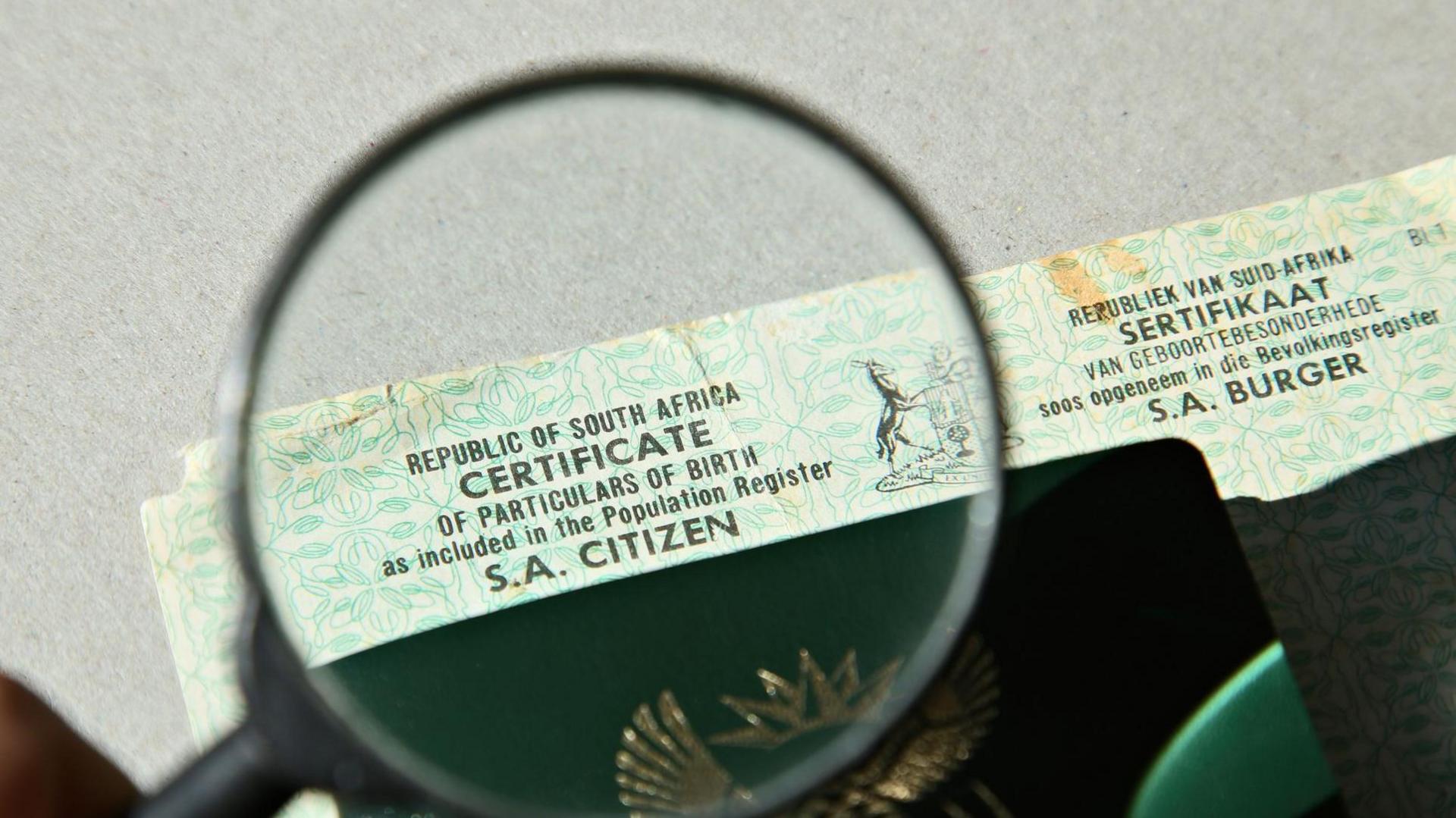
Statelessness in South Africa: Challenges and Hope for the Future
Arnold Ncube, 25, born in Johannesburg, is one of an estimated 10,000 stateless people living in South Africa. Unable to prove his nationality due to lacking a birth certificate, Arnold works washing cars in Thembisa. Without formal documents, he cannot access schooling, bank accounts, or decent employment opportunities.
Statelessness in South Africa arises from administrative barriers and poor record-keeping, which prevent many from accessing basic services such as education and healthcare. Official statistics are unavailable, with existing figures based on estimates from the UNHCR and civil rights groups.
Christy Chitengu, who was stateless at birth to Zimbabwean parents, only learned of her status at age 17. She later obtained South African citizenship with assistance from Lawyers for Human Rights. However, challenges remain, as officials require a printed birth certificate, not the handwritten one she was originally given.
Advocates emphasize that gaining citizenship is a fundamental right to live a dignified life and access essential services, rather than a reward for migrants. Globally, approximately 4.5 million people are stateless, with some estimates reaching up to 15 million. Solutions include universal birth registration and laws permitting mothers to pass nationality to their children.
South Africa also confronts the presence of a large number of undocumented migrants, with local authorities and vigilante groups actively cracking down on irregular migration.
Arnold now has legal support working on his case to acquire the necessary documents. He hopes that obtaining citizenship will allow him to pursue computer science studies and improve his future prospects.
BBC contacted South Africa's Home Affairs department for comment but received no reply.