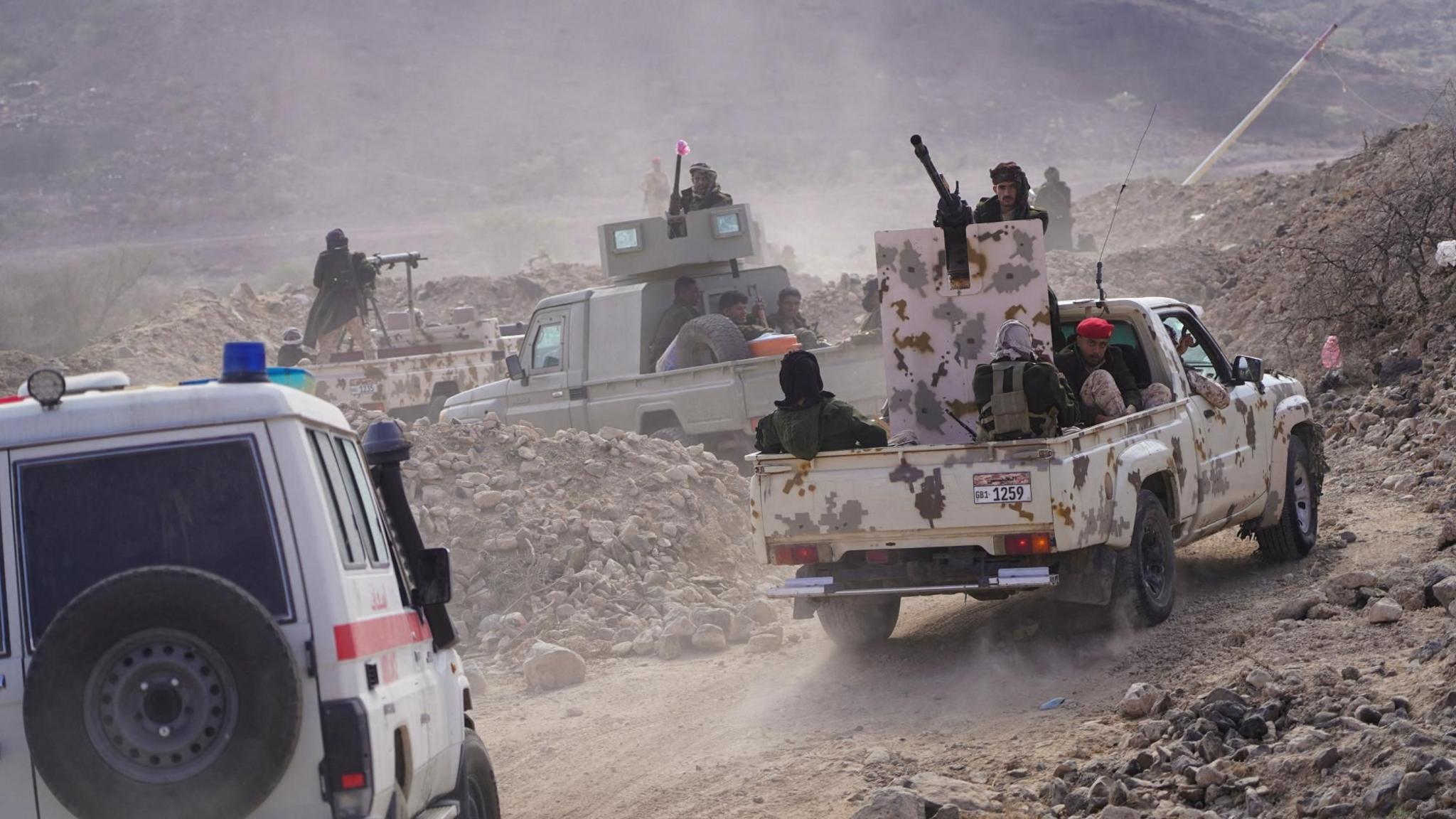
STC Offensive in Hadramawt Highlights Deepening Rift in Yemen Conflict
On 2 December, the UAE-backed Southern Transitional Council (STC) launched a large-scale offensive in Hadramawt, eastern Yemen, seizing territory from government forces and signaling a push for southern independence.
This move has deepened divisions within the Saudi-led coalition. The Presidential Leadership Council (PLC) condemned the STC's actions as a rebellion that could fracture Yemen.
In response, Saudi-led air strikes targeted STC camps in Hadramawt, resulting in seven casualties, and earlier struck the southern port of Mukalla. The coalition justified these strikes by citing shipments of equipment delivered by the UAE to the STC.
Following the escalation, Yemen's Presidential Council canceled its joint defense treaty with the UAE and ordered Emirati forces to withdraw within 24 hours. Saudi Arabia publicly supported the withdrawal and warned that the UAE's presence in Yemen was a red line.
The UAE announced it would pull its forces out of Yemen; however, analysts suggest this does not represent a retreat by the STC. The UAE is perceived to still be pursuing access to key sea ports and challenging an Islamist party in Yemen's government. Since 2019, the UAE has maintained a limited direct footprint in Yemen, relying primarily on proxies.
STC leader Aidarous al-Zubaidi has long sought southern independence, and STC spokesperson Anwar al-Tamimi affirmed the council's intention to establish an independent southern state.
These events occur against the backdrop of Yemen's civil war, ongoing since 2014, marked by Houthi control in the north, a protracted hunger crisis, and approximately 19 million people requiring humanitarian aid. In 2021, around 377,000 deaths were linked to the conflict.